Repo mobile homes with land for sale in the US
Repossessed mobile homes, often referred to as manufactured homes, become available on the market when a previous owner defaults on a loan, leading a lender to reclaim the asset. When these homes are sold with land, they are typically classified as real property rather than personal property. Understanding the distinction between these categories and the procedures for identifying available listings is essential for those exploring this sector of the housing market.
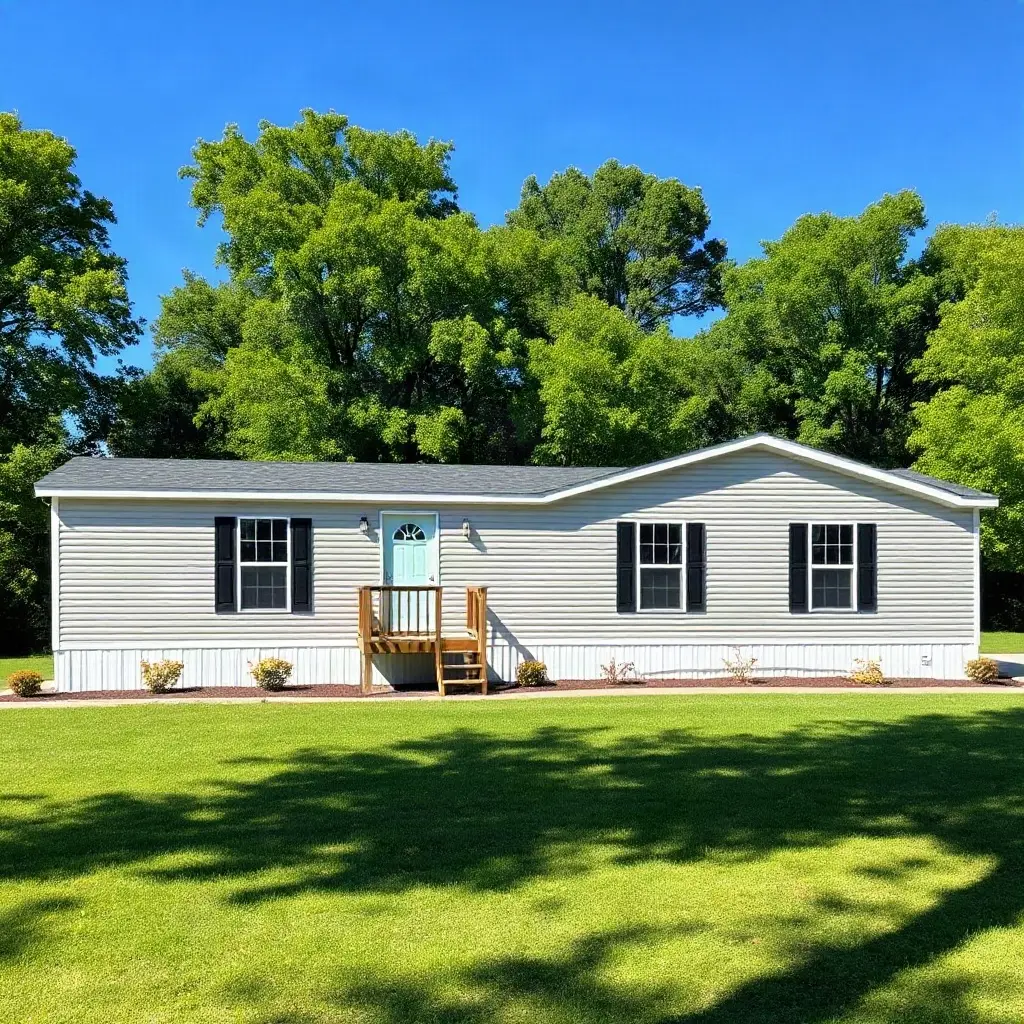
Understanding Repossessed Manufactured Housing
A repossessed mobile home enters the market because the borrower failed to maintain the financial obligations associated with the property. Once the lender reclaims the home, the property is typically listed for sale to recover the remaining balance of the loan. These units range from single-wide to double-wide configurations and can vary significantly in age, condition, and maintenance history.
Because these homes are often sold by institutions seeking to recoup losses, the properties are generally sold in their current condition, referred to in the industry as as-is. This means the buyer is responsible for any necessary repairs, renovations, or inspections. Prospective owners should anticipate the need for professional assessments of the home's structural integrity and utility systems before moving forward.
Purchasing Land with Manufactured Homes
The status of the land is a critical component of any mobile home sale. In many cases, a mobile home is considered chattel, or personal property, and the owner pays rent for the lot upon which it sits. However, when a home is sold with land, the transaction involves real estate, meaning the buyer owns both the structure and the plot of land beneath it.
This configuration is often preferred by lenders and buyers because it simplifies title transfers and stabilizes the property's legal standing. Before finalizing an acquisition, it is necessary to verify the property title to confirm that the land and the home are linked as a single parcel. Local tax records and the county land registry are the primary sources for confirming whether the home has been permanently affixed to the foundation and legally titled with the land.
Where to Locate Repossessed Properties
Repossessed homes are managed by various entities, including financial institutions, credit unions, and government-backed lending agencies. These organizations often use third-party asset management companies or real estate brokers to handle the marketing and sale of the properties. Listings are frequently distributed through national real estate platforms, local brokerage websites, and specialized foreclosure listing services.
Interested parties can monitor public records, specifically the notice of default filings or local sheriff sale auction lists, which often provide early notification of properties entering the market. While large online real estate portals are common, contacting local real estate offices that specialize in manufactured housing can provide access to listings that may not be widely advertised on national platforms.
Requirements for Acquiring Repossessed Homes
Eligibility requirements for purchasing a repossessed property are determined by the lender or the institution overseeing the asset. Because these homes are often sold to clear a balance sheet, sellers may have specific criteria regarding the buyer's financial status. Common requirements include a documented credit history, proof of liquid assets to cover the down payment, and evidence of sufficient income to sustain ongoing property maintenance.
Lenders set their own internal policies regarding the vetting process. Some institutions prioritize cash offers or conventional financing, while others may work with specialized loans for manufactured housing. It is standard for the seller to require a pre-qualification or pre-approval letter before allowing a formal offer to be submitted. These requirements vary from one institution to another, as each manages its portfolio according to its own risk management strategies.
Financial Expectations and Market Factors
The cost of a repossessed mobile home with land is influenced by several factors, including the location, the square footage of the land, the age of the unit, and the local demand for housing. Prices are not standardized; they depend heavily on the specific market conditions in the region where the property is located. Buyers should also consider additional costs such as title insurance, property taxes, and potential land survey fees.
When analyzing costs, it is important to factor in the potential for deferred maintenance. Because the property was repossessed, it may have been vacant for an extended period, leading to issues with plumbing, roofing, or HVAC systems. Budgeting for these repairs is a standard practice for those entering the market for bank-owned properties, as the savings on the purchase price may be offset by the required investment in property rehabilitation.
The Acquisition Workflow
The path to acquiring a repossessed property generally follows a structured legal and financial process. Once a property is identified, the buyer typically submits an offer through a licensed real estate agent or directly to the asset manager. If the offer is accepted, the parties enter into a purchase agreement that outlines the timeline for the transaction, the deposit requirements, and the date for the final closing.
During the period between the offer and the closing, the buyer conducts due diligence. This involves ordering a title search to ensure there are no liens against the property and arranging for professional inspections to assess the condition of the home and the land. Once the conditions of the sale are satisfied, the final transfer of the deed and keys occurs at a title company or law office. This process is governed by the state-specific laws where the property is located, and all documentation must comply with local real estate transfer regulations.