Maximizing Your Savings: The Complete Guide to the Electric Car Lease Tax Credit
Facts:
- Leasing an EV can provide instant savings at the dealership.
- A key trend for EV shoppers is using leases to bypass purchase credit restrictions.
Unlocking Savings: How the Commercial EV Credit Benefits Lessees
Navigating the world of electric vehicle incentives can be complex, but one of the most powerful tools available for consumers is the Electric Car Lease Tax Credit. This financial incentive allows individuals to benefit from federal tax credits that might otherwise be inaccessible due to income caps or vehicle manufacturing requirements. By understanding how this credit works, prospective lessees can significantly reduce their monthly payments and make the switch to an electric vehicle more affordable than ever before. The process involves the leasing company, or dealer, claiming a commercial clean vehicle credit and then passing those savings on to you, the customer, in the form of a lower capitalized cost on the lease. This clever workaround has become a primary driver for EV adoption through leasing programs.
Who Qualifies for the Electric Car Lease Tax Credit?
One of the greatest advantages of the Electric Car Lease Tax Credit is its broad accessibility. Unlike the tax credits for purchasing an EV, which come with strict income limitations for the buyer and complex battery sourcing requirements for the vehicle, the leasing route simplifies everything. The credit is technically a commercial one, claimed by the financial institution or dealership that owns the vehicle. Because they are the 'purchaser' in the eyes of the IRS, the consumer's income is irrelevant. This means that even high-income earners who wouldn't qualify for a purchase credit can benefit. Furthermore, a wider range of electric vehicles often qualify under this commercial provision, including some models manufactured abroad that would be ineligible for the purchase credit. The primary requirement for the consumer is simply to lease a qualifying new clean vehicle from a dealer that participates in passing these savings on.
How the Tax Credit is Applied to Your Lease Deal
The mechanism for receiving the Electric Car Lease Tax Credit is straightforward and provides an immediate financial benefit. When the dealership or its affiliated leasing company acquires the electric vehicle, they claim the $7,500 federal commercial clean vehicle tax credit. Reputable dealers then directly apply this full amount as a capitalized cost reduction on your lease agreement. This is essentially a large down payment made on your behalf by the tax credit. This action lowers the total amount you are financing over the lease term, which in turn directly reduces your monthly payment. It's crucial to verify this on your lease paperwork; you should see a line item indicating a 'rebate' or 'credit' of up to $7,500. This instant saving at the point of sale is a major differentiator from purchase credits, which typically must be claimed later on your annual tax return.
Leasing vs. Buying: A Financial Comparison with the EV Credit
When deciding between leasing and buying an electric vehicle, the Electric Car Lease Tax Credit significantly tilts the financial equation in favor of leasing for many consumers. If you were to purchase an EV, you would need to meet the income and vehicle-sourcing requirements to claim the credit on your taxes. If you don't have enough tax liability to absorb the full credit, you lose a portion of the benefit. With leasing, these concerns are eliminated. The full $7,500 is typically passed on to you as an upfront reduction in the vehicle's cost, guaranteeing the benefit regardless of your personal tax situation. This makes leasing a predictable and often cheaper way to get into a new EV, especially for those who want to drive a new car every few years and avoid the uncertainties of long-term battery degradation and resale value.
Actionable Steps to Secure Your Credit
To ensure you successfully leverage the Electric Car Lease Tax Credit, follow these essential steps during your vehicle acquisition process. Being proactive and informed is key to maximizing your savings.
- Confirm Dealer Participation: Before you begin negotiations, explicitly ask the sales or finance manager if they pass the full commercial EV tax credit on to the lessee as a capitalized cost reduction. Not all dealers do this, so it's vital to work with one that does.
- Verify Vehicle Eligibility: While leasing opens up more options, double-check that the specific model you're interested in qualifies for the commercial clean vehicle credit. The dealer should be able to confirm this easily.
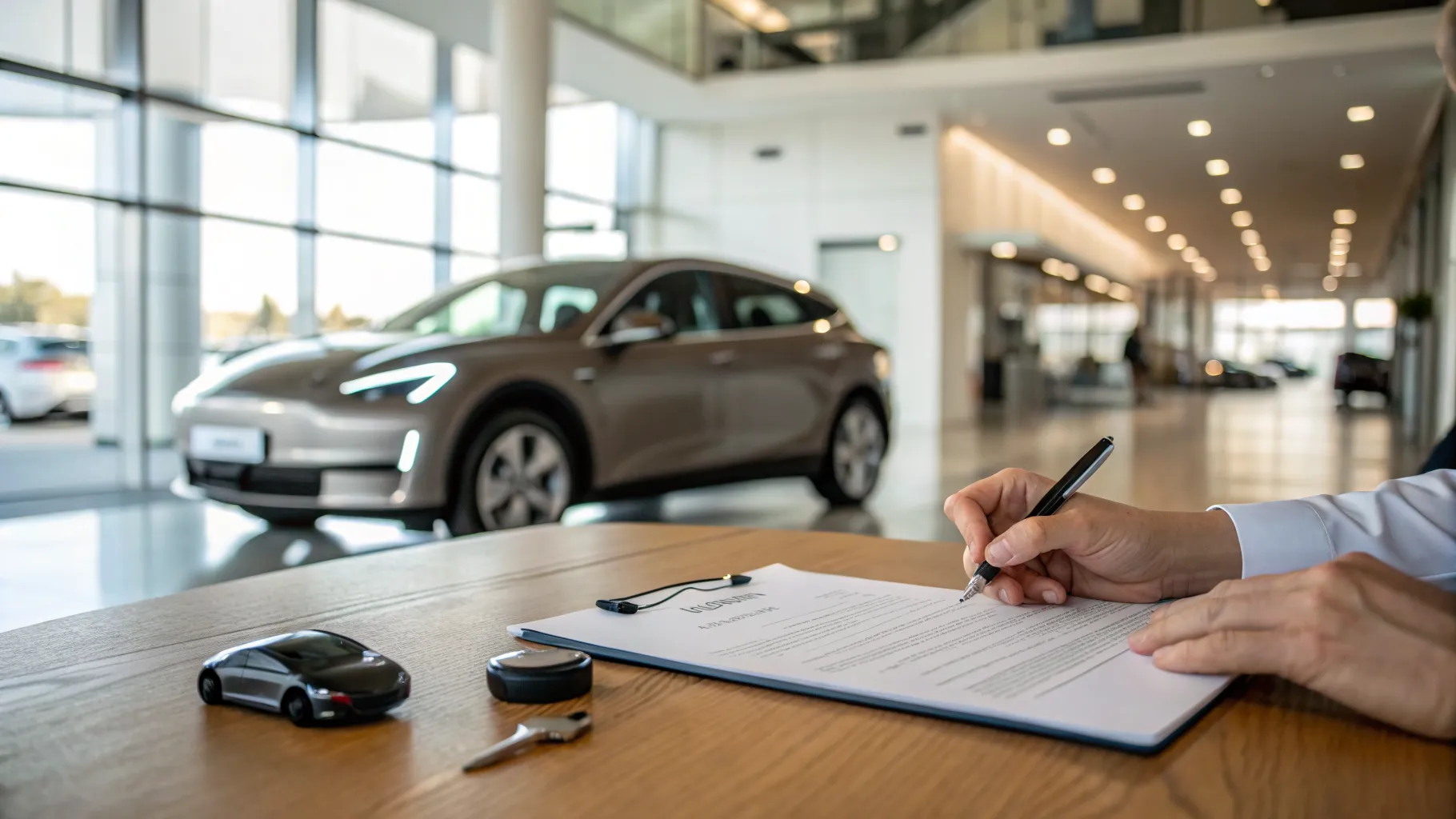
- Review the Lease Agreement: Scrutinize the lease paperwork before signing. Look for a specific line item that clearly shows the application of the $7,500 credit. It might be labeled as 'EV Lease Credit,' 'Federal Rebate,' or 'Cap Cost Reduction.' Ensure the amount is correct.
- Negotiate the Sale Price First: The tax credit should be applied *after* you have negotiated the vehicle's selling price (the gross capitalized cost). Treat the credit as a separate incentive, not as part of the dealer's initial offer.
Frequently Asked Questions
Is my income a factor for the Electric Car Lease Tax Credit?
No, your personal income is not a factor. The credit is a commercial one claimed by the leasing company (the legal owner of the vehicle). They then pass the savings to you. This is a primary benefit for those who exceed the income caps for the EV purchase tax credit.
Can I get the Electric Car Lease Tax Credit on a used EV?
Typically, no. The commercial clean vehicle credit that makes this possible applies to new vehicles. There are separate credits for used EV purchases, but the leasing incentive is specifically designed for the new vehicle market.
Does the full $7,500 always get passed on to the customer?
While reputable dealers pass on the full amount to stay competitive, it is not legally mandated. This is why it is critical to confirm with the dealer upfront and verify the amount on your lease contract before signing. Always be prepared to walk away if a dealer is not transparently applying the full credit.
References
- Internal Revenue Service - Commercial Clean Vehicle Credit
- U.S. Department of Energy - FuelEconomy.gov
- Consumer Reports - Electric Vehicle Incentives Guide