Guide to Buying Used Gym Equipment: Your Home Gym Equipment Buying Guide
Facts:
- Used fitness market booming worldwide.
- Sustainable choice for home gym owners.
Navigating the Market for Affordable Fitness Solutions
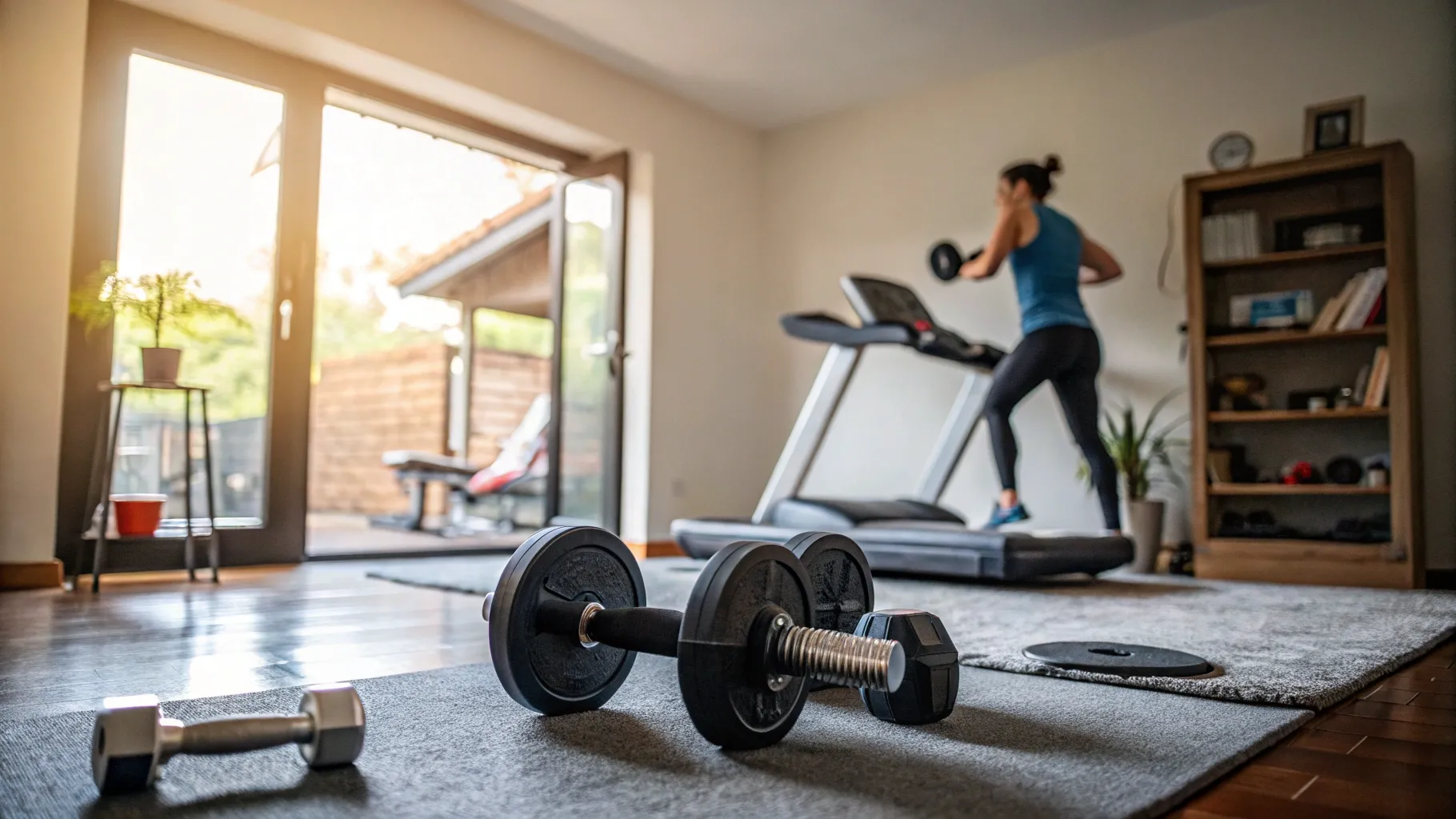
Establishing a personal fitness space at home no longer requires a significant financial outlay, especially with the surging popularity of acquiring used gym equipment. This practical approach allows enthusiasts and beginners alike to set up a comprehensive home gym without breaking the bank. Opting for second hand gym machines is not merely about cost savings; it's a strategic decision that offers access to quality equipment at a fraction of its original price, making your fitness goals more attainable and sustainable. This guide will help you understand the intricacies of the market, ensuring you make informed choices that align with both your budget and your fitness aspirations.
The Undeniable Benefits of Opting for Used Gym Equipment
Choosing to purchase used gym equipment comes with a multitude of advantages that extend beyond immediate cost reduction. The most obvious benefit is the significant savings, often allowing buyers to acquire higher-end models that would be prohibitively expensive new. Furthermore, buying pre-owned items contributes positively to environmental sustainability by extending the lifecycle of products and reducing waste. The market for gym equipment resale is robust, meaning there's a constant supply of quality equipment becoming available. This ready availability often means you can find exactly what you need without the waiting times associated with new product orders, getting your home gym up and running faster.
Exploring the Types of Used Fitness Machines Available
The variety of types of used fitness machines available is vast, catering to every imaginable fitness goal. Understanding what's out there and what to look for is crucial for a successful purchase.
Cardiovascular Machines
For cardio, you'll frequently encounter treadmills, ellipticals, stationary bikes, and rowing machines. When inspecting a used gym equipment piece like a treadmill, pay close attention to the motor's sound, the condition of the belt (look for tears or excessive wear), and the responsiveness of the console controls. For ellipticals and bikes, test the smoothness of the motion and listen for any grinding noises, which could indicate bearing issues. Ensure all electronic displays and heart rate monitors are functional. These are significant investments, even used, so a thorough check is paramount to avoid future repair costs.
Strength Training Equipment
Strength training categories include free weights (dumbbells, barbells, weight plates), weight benches, multi-gyms, and cable machines. When considering free weights, check for rust and ensure the structural integrity of benches and racks. For multi-gyms and cable machines, examine the cables for fraying, check pulleys for smooth operation, and inspect upholstery for rips or tears. Any significant damage to the frame or moving parts should be a red flag, as these can compromise safety and durability. Many items in the gym equipment resale market are from home users, so wear and tear might be minimal.
Specialty and Accessory Items
This category encompasses items like yoga mats, resistance bands, kettlebells, medicine balls, and pull-up bars. While typically less expensive, it's still important to inspect them for damage or excessive wear. Resistance bands can degrade over time, and mats can become flattened or torn. These smaller items can significantly enhance your workout routine, so ensure they are in good usable condition before purchasing.
Crucial Inspection Points When Buying Second Hand Gym Machines
A meticulous inspection is the cornerstone of a smart purchase of any second hand gym machines. Beyond a visual check, you must engage with the equipment. Test every moving part, cycle through different resistance levels, and if electronic, ensure all buttons and displays work as expected. Listen carefully for unusual noises like squeaking, grinding, or rattling, which can indicate worn-out bearings, loose components, or underlying mechanical issues. For motorized equipment like treadmills, test at various speeds and inclines. Always inquire about the equipment's history – how old it is, how often it was used, and why it's being sold. Understanding the difference between general used items and those with a proper refurbished fitness equipment overview is also vital. Refurbished items often come with warranties, offering an added layer of security compared to 'as-is' sales.
Understanding the Prices of Used Gym Equipment
The prices of used gym equipment can vary dramatically based on several factors, including the brand, age, condition, original retail price, and current market demand. High-end commercial brands, even used, will command a higher price than budget-friendly consumer brands. Typically, gym equipment depreciates significantly in its first few years. Researching the original price and comparing it with similar used items online can give you a baseline. Online marketplaces, forums, and specialized used equipment dealers are excellent resources for gauging fair market values. It's crucial to set a realistic budget and stick to it, but also be prepared to negotiate. For example, a quality used treadmill might range from $300-$800, while a new one of similar quality could easily exceed $1000. When comparing these items, factor in potential refurbishment costs if any minor repairs are needed, to get a true picture of the overall value. Often, the depreciation curve makes buying used gym equipment an incredibly cost-effective decision, especially if you prioritize functionality over brand-new aesthetics.
Your Essential Home Gym Equipment Buying Guide: Where to Find the Best Deals
Finding the right place to purchase your used gym equipment is as important as knowing what to look for. Each avenue offers different advantages and potential pitfalls.
Online marketplaces like Facebook Marketplace, Craigslist, and eBay are rife with individuals selling off their old fitness gear. These platforms offer a vast selection and often the lowest prices, but require vigilance in verifying condition and arranging pickup. Local classifieds can also yield good finds, especially from people looking for a quick sale. Dedicated gym equipment resale stores or outlets often provide inspected or even refurbished items, potentially with a limited warranty, offering peace of mind at a slightly higher price point. Gyms, universities, and corporate wellness centers periodically liquidate their older equipment, which can be an excellent source for high-quality, commercial-grade machines at bargain prices. Keep an eye on their announcements or reach out directly to inquire about upcoming sales. Each source demands a different approach to inspection and negotiation, highlighting why a comprehensive home gym equipment buying guide is indispensable.
Smart Strategies for a Successful Used Gym Equipment Purchase
To ensure you get the best value and avoid common pitfalls when purchasing used gym equipment, follow these actionable strategies:
Research thoroughly before buying: Understand the typical lifespan, common issues, and market value for the specific piece of equipment you're interested in. Knowing what features are essential and what brands are reputable, even in the used market, will empower your decision-making.
Inspect in person if possible: This is arguably the most critical step. Visual inspections can reveal cosmetic damage, but hands-on testing will expose mechanical flaws, strange noises, or malfunctioning electronics that photos simply cannot convey. Don't be afraid to put the equipment through its paces.
Negotiate prices confidently: Most sellers of second hand gym machines expect some negotiation. Be prepared to offer a reasonable counter-price, especially if you've identified minor flaws or if the asking price seems inflated based on your research. A polite, informed negotiation can save you a significant amount.
Understand warranty/return policies for refurbished fitness equipment: If you're buying from a dealer selling refurbished items, clarify their warranty and return policy. This can provide crucial protection against unforeseen issues that might arise after purchase, something rarely offered with private sales.
Arrange for safe transport: Large fitness machines can be heavy and awkward. Plan how you'll transport your new-to-you equipment home. You might need a truck, a van, or even professional movers, which should be factored into the overall cost of the used gym equipment.
Frequently Asked Questions
What are the common pitfalls when buying used gym equipment?
Common pitfalls include purchasing equipment with hidden mechanical issues, overpaying for items in poor condition, or failing to verify functionality. Buyers often overlook checking all settings, listening for unusual noises, or confirming the age of the equipment. Neglecting to plan for transport can also lead to unexpected difficulties and costs.
How can I verify the quality of second hand gym machines?
Verifying quality requires a hands-on approach. Inspect for rust, cracks, or excessive wear on moving parts. Test all functions, including resistance levels, electronic displays, and safety features. For cardio machines, run them at various speeds and inclines. For strength equipment, check stability and cable integrity. Don't hesitate to ask sellers detailed questions about usage history and maintenance.
Is refurbished fitness equipment a better option than used?
Refurbished fitness equipment generally offers a higher level of reliability than standard used items. Refurbished pieces have typically undergone professional inspection, repair, and parts replacement, often coming with a limited warranty. While they might be pricier than 'as-is' used equipment, the added peace of mind and assurance of functionality can make them a superior choice for many buyers, especially for complex machines.
References
- Fitness Industry Trends Report.
- Home Gym Setup Best Practices Guide.
- Sustainable Living and Consumer Choices Research.