1 gram of 14k gold: how much it is worth today: A guide to market valuation and melt value calculations
Key facts
- 14k gold contains approximately 58.3% to 58.5% pure gold by weight, with the remainder composed of alloy metals like copper or silver 1 2.
- The melt value of gold is calculated by multiplying the weight of the pure gold content by the current global spot price per gram 2 3.
- Melt value serves as a baseline and typically excludes the added value of craftsmanship, brand, gemstones, or historical significance 4 5.
- Realized offers for jewelry often differ from theoretical melt value due to refining costs, dealer margins, and overhead expenses 1 4.
Determining the value of 14k gold involves understanding the distinction between the intrinsic "melt value" of the metal and the market value of a finished jewelry piece. Because 14k gold is an alloy, it is not 100% pure precious metal. Its worth is primarily derived from the proportion of pure gold it contains, which is then measured against the fluctuating global "spot price" of gold 2 3. Consumers looking to understand how much a specific weight of gold is worth must account for these technical variables before assessing any potential offer.
Understanding 14k Gold Purity and Hallmarks
The term "karat" (K) is a measure of gold purity based on a 24-part scale, where 24k represents essentially pure gold 6. A designation of 14k indicates that the item consists of 14 parts gold and 10 parts of other metals, such as copper, silver, or zinc 1. This ratio results in a purity of approximately 58.3% to 58.5% 6 7. The addition of these alloy metals is necessary because pure 24k gold is too soft for daily wear in jewelry, and these mixtures also allow for variations in color, such as rose or white gold 2 6.
In many parts of the world, including Europe, gold is identified by a three-digit hallmark that reflects its purity in parts per thousand. A stamp reading "585" is functionally equivalent to 14k, indicating 58.5% purity 1 6. When evaluating a piece for its gold content, these hallmarks are the initial point of reference, though professional verification is often used to confirm the purity of a piece, as stamps can be forged or misleading in certain antique or costume items 1 4.
The Melt Value Formula
Melt value represents the price of the gold content alone if the item were refined into pure bullion. This calculation is the foundational baseline for valuing gold jewelry 3 5. To find the melt value, the total weight of the gold must be multiplied by its purity percentage and then by the current spot price of pure gold 2 7. Because spot prices are often quoted per troy ounce, a common conversion factor used is that one troy ounce is equal to approximately 31.103 grams 8 4.
For example, if a 14k item weighs 1 gram, the pure gold mass is approximately 0.583 grams. By applying the current market rate for pure gold to this mass, one can determine the metal's floor value 7. It is essential to note that this weight must only include the gold itself. Any attached gemstones, springs, steel clasps, or other non-gold findings are typically deducted from the weight before the calculation is performed, as these components have no gold value 1 4.
Retail Value vs. Melt Value
A frequent point of confusion for consumers is the difference between the retail cost of jewelry and its scrap melt value. When a consumer purchases a piece of jewelry, the price includes factors such as labor, design, brand reputation, retail markup, and potential gemstone value 5 9. These added costs are generally not recovered when selling an item as scrap gold 4.
Conversely, some pieces possess value beyond their raw metal content due to their status as antiques, designer items, or high-quality gem-set jewelry 1 9. In such cases, the item may be worth significantly more to a collector or a reseller than its simple melt weight would suggest. It is generally recommended to have such items appraised for their full retail potential before choosing to sell them solely for their scrap gold content 10 9.
Market Fluctuations and Buyer Offers
The price of gold on the global market fluctuates constantly, meaning the "worth" of a gram of 14k gold changes throughout the trading day 2 3. Buyers typically do not pay 100% of the melt value because they must account for the overhead of refining, testing, and operational costs 1 4. A buyer’s offer is essentially a percentage of the calculated melt value, with competitive offers usually falling within a range that reflects these processing requirements 10.
Consumer protection guidance often suggests that individuals obtain multiple written offers before committing to a sale. Understanding the melt value in advance allows a seller to compare different offers as a percentage of the actual gold content rather than just the dollar amount, which can vary wildly between different types of buyers, such as jewelry stores, pawn shops, or specialized refiners 10 5.
Verification and Professional Weighing
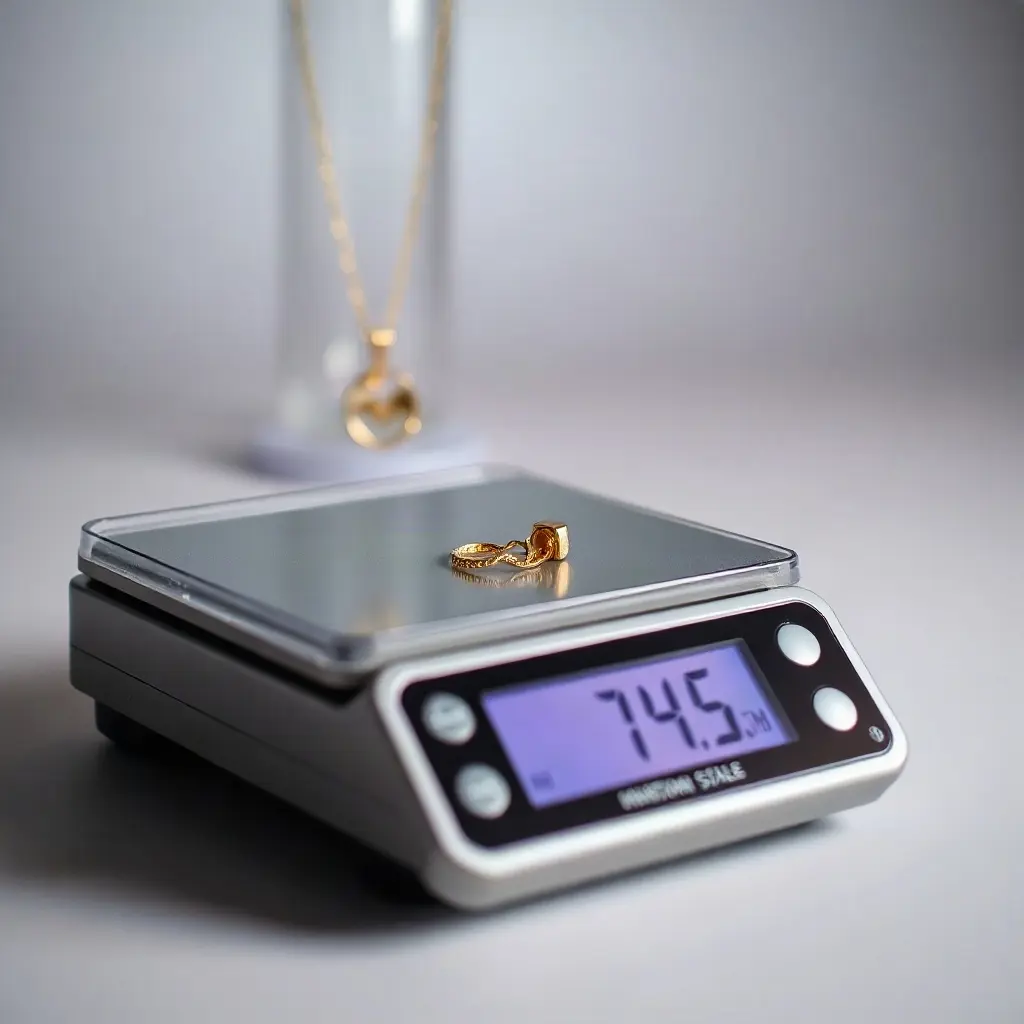
Accuracy in valuation depends heavily on precise measurement. Professional buyers typically use calibrated scales to weigh items in front of the customer to ensure transparency 2 11. Consumers are encouraged to verify that any scale used is properly calibrated and that all non-gold components, such as stones or heavy clasps, are accounted for separately 1 7.
Because hallmarks can be obscured or inaccurate, professional testing methods, such as acid tests or electronic assay devices, are used by many reputable buyers to confirm the karat content of a piece before a final offer is extended 4. Being prepared with information about the karat weight and current market conditions can help a consumer engage more effectively with the appraisal process 3 5.
Sources
- How Much Is 14K Gold Worth? Melt Value per Gram & Karat | The Jewelry Appraisal: https://thejewelryappraisal.app/blog/how-much-is-14k-gold-worth-guide
- How Is the Value of Gold Calculated When You Sell? | Coin Mart: https://www.coinmart.com/sell-gold/how-gold-is-priced
- 14K Gold Price Today - Live Updated Prices: https://thealloymarket.com/14k-gold-price/
- How Gold Melt Value Is Calculated: Formula & Example: https://meltoffer.com/how-gold-melt-value-is-calculated
- Gold Melt Value Calculator – Find Your Gold’s True Worth: https://scrapgoldmeltcalc.com/gold-melt-value/
- How Much Is 14K Gold Worth? Per-Gram Melt Math & Fair Payouts: https://lonestarcoins.com/14k-gold-value
- Free Gold Calculator: Live Gold Price & Scrap Value, 10K– ...: https://www.get.pelcro.com/tools/gold-calculator
- How to Calculate the Melt Value of Gold | GoldObserve: https://goldobserve.com/learn/how-to-calculate-the-melt-value-of-gold
- Gold Value Calculator: https://snapappraise.com/gold-calculator
- How to Sell Gold Jewelry: Check the Offer Before You Say Yes: https://goldkaratguide.com/how-to-sell-gold-jewelry/
- How Much Is the Gold Worth in a Ring? | Cash 4 Gold: https://www.cash4goldtradingpost.com/blog/how-much-is-the-gold-worth-in-a-ring/