Bernese Mountain Dog rescue dogs and puppies available near you: A practical adoption guide
Key facts
- Published 2026 shelter guidance places many dog adoption fees between $50 and $350 or more, depending on age and location. 1
- A 2026 comparison found median fees of $269 for puppies, $161 for adults and $93 for seniors across 18 U.S. shelters. 2
- National Bernese Mountain Dog Rescue Network describes a nationwide, foster-based model serving dogs from shelters, puppy mills and crisis situations. 3
- The Bernese Mountain Dog Club of America supports regional club rescues and provides breed education, health information and owner resources. 4
Bernese Mountain Dog rescue dogs and puppies available near you may come through a breed-specific rescue, a general animal shelter or a foster network rather than a traditional kennel. Availability changes as dogs enter care and are matched with homes, so a local search may involve regional clubs, national organizations, transport arrangements and a waiting period. The central question is not only where a Berner is located, but whether the organization understands the breed and can explain the dog's health, behavior and history.
Breed-specific rescue groups versus general shelters
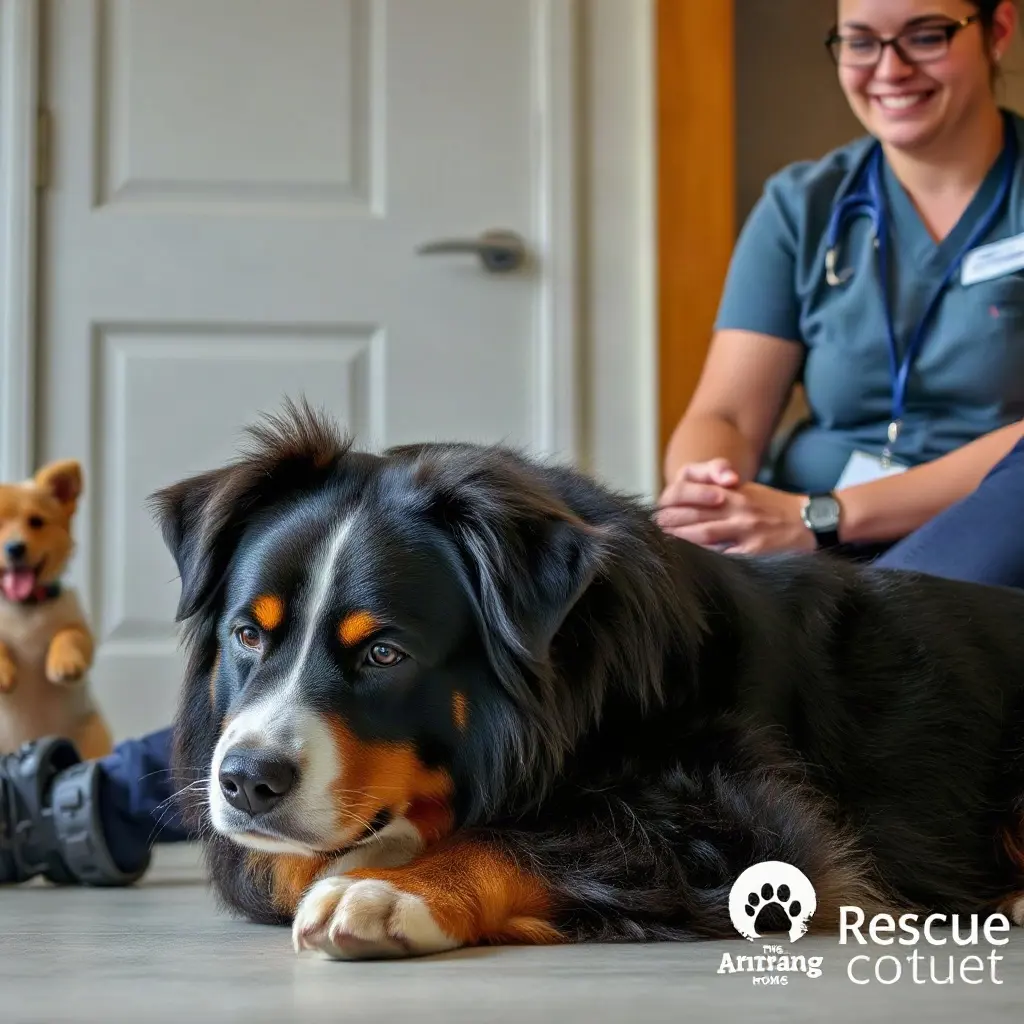
A breed-specific rescue focuses on one breed or a closely related group of dogs. Its volunteers are more likely to understand Bernese size, coat care, temperament, orthopedic concerns and the kind of household that suits an individual dog. The National Bernese Mountain Dog Rescue Network describes itself as nationwide and foster-based, with dogs coming from shelters, puppy mills and other crisis situations. 3
General shelters care for dogs of many breeds and may have fewer Bernese specialists, but they can still be an important part of a regional search. A shelter may provide vaccination, sterilization, microchipping, behavior notes and basic veterinary assessment before adoption. Breed-specific groups often use foster homes, allowing volunteers to report on household behavior, while shelter observations may be limited by the kennel environment. Neither model automatically guarantees a perfect match, so records and transparent policies matter.
Where regional searches commonly begin
The Bernese Mountain Dog Club of America maintains a national network for regional clubs and owners and highlights support for regional club rescues. Its programs also include breed education, health resources and rescue-related activities. 4 This makes a national breed club a useful starting point for identifying regional contacts, although each local group sets its own intake area, application rules and transport practices.
Another example is National Bernese Mountain Dog Rescue Network, identified in Best Friends Animal Society's network as being based in Mancelona, Michigan, while operating through a nationwide foster structure. 3 The network's partnership page describes access to a broader coalition of shelters and rescue organizations across the United States. 5 Search results should therefore be organized by state or driving distance, with attention to whether a group permits out-of-area adoptions and how transport is handled.
Adoption fees and what they usually cover
Dog adoption fees vary by location, age, medical condition and the organization's funding model. A 2026 shelter fee review reports that fees commonly range from $50 to $350 or more. 1 Another 2026 comparison of 18 U.S. shelters found median fees of $269 for puppies, $161 for adults and $93 for seniors, with broad differences among organizations. 2 These figures are market references, not guaranteed charges for a Bernese rescue.
| Dog category | Median shelter fee in a 2026 comparison | Common cost factors |
|---|---|---|
| Puppy | $269 | Age, vaccinations, sterilization and early veterinary care |
| Adult | $161 | Medical preparation, behavior assessment and length of care |
| Senior | $93 | Age, diagnostics, medication and ongoing care needs |
Fees commonly help offset examinations, vaccinations, spaying or neutering, microchipping, food, housing, transport and rehabilitation. Animal League America explains that adoption fees can include transportation, wellness exams, vaccinations, spay or neuter procedures, food, boarding and grooming. 6 Prospective adopters should request an itemized explanation and ask which services are completed, pending or excluded, because supplies, future veterinary visits, training and grooming are usually separate household costs.
Application, screening and home requirements
A typical breed-rescue application asks about household members, working hours, previous pets, veterinary references, housing arrangements, landlord permission and plans for exercise. Personal references may also be requested. The purpose is generally to match a dog's energy level, sociability, age and care requirements with the household rather than to judge one type of home as universally suitable.
Many rescues use a telephone interview and a home visit, while others use video meetings or regional volunteers. A fenced yard may be preferred for some dogs, but it is not a substitute for supervision, training and daily activity. Requirements can differ for apartments, homes with children, resident animals and adopters living outside the group's service area. A careful organization should explain its criteria before requesting a commitment and should provide a written adoption agreement.
Temperament, exercise and everyday care
Bernese Mountain Dogs are large working dogs generally known for a calm, affectionate manner, but individual behavior varies with age, history and socialization. Their size means that food, equipment, transport and veterinary care can be more substantial than for a small dog. A prospective household should consider space, access to shade and water, tolerance for shedding and the time needed for companionship, grooming and gradual training.
Daily exercise usually includes walks, controlled outdoor activity and mental engagement, adjusted for age, conditioning and veterinary advice. Young dogs need careful growth management, while older dogs may need shorter outings and mobility support. Breed health concerns can include hip and elbow dysplasia, cruciate ligament problems, degenerative joint disease and cancers. A medical foster program operated by National Bernese Mountain Dog Rescue Network describes care for orthopedic disease, cancer, heart disease and other chronic conditions. 7
Puppies, foster homes and responsible evaluation
Puppies are less common in breed-specific rescue than adults because many breed rescues receive surrendered, displaced or medically vulnerable dogs rather than planned litters. When puppies do enter care, applications may be competitive and requirements can be strict because early socialization, training, sterilization arrangements and future size must be considered. A puppy's current behavior also provides less evidence about adult temperament than a fostered adult's history.
Fostering is a short-term placement that gives a rescue information about behavior, routines, health and compatibility before permanent adoption. Best Friends describes fostering as a temporary commitment within a broad network of shelters and rescue groups. 3 Before adopting, request veterinary records, vaccination dates, sterilization status, medication instructions, bite or anxiety history, transport details and the procedure for returning the dog if the match fails. These checks help distinguish careful placement from unclear or high-pressure practices.
Sources
- How Much Does It Cost to Adopt a Dog from a Shelter?: https://www.chewy.com/education/dog/pet-parenting/pet-parenting-pet-lovers-dog-adoption-fees-explained
- Dog Adoption Fees — What 18 US Shelters Actually Charge (2026) | Pawdget: https://pawdget.com/guides/dog-adoption-fees/
- National Bernese Mountain Dog Rescue Network: https://bestfriends.org/partners/national-bernese-mountain-dog-rescue-network
- Bernese Mountain Dog Club of America (BMDCA) a network for Regional Clubs and Owners: https://www.bmdca.org/
- Best Friends Network — National Bernese Mountain Dog Rescue Network: https://www.nationalbmdrescuenetwork.org/blog/best-friends-network
- How much are the adoption fees?: https://www.animalleague.org/faq-items/much-adoption-fees/
- Healing Heroes: From Crisis to Comfort: https://www.nationalbmdrescuenetwork.org/healing-heroes