Wardrobes with minor cosmetic defects: B-stock offers: A consumer guide to condition, inspection and Australian rights
Key facts
- B-stock commonly covers returns, display items, overstock and warehouse-damaged stock, with condition varying by seller. 1
- Furniture seconds in Australia can include minor marks, colour variation, packaging damage and end-of-line items. 2
- Second-hand guides place storage and shelving furniture at typically $100 to $250 AUD, depending on condition and category. 3
- Open-box furniture in good condition may show a small scuff, light scratch or worn packaging while remaining functional. 4
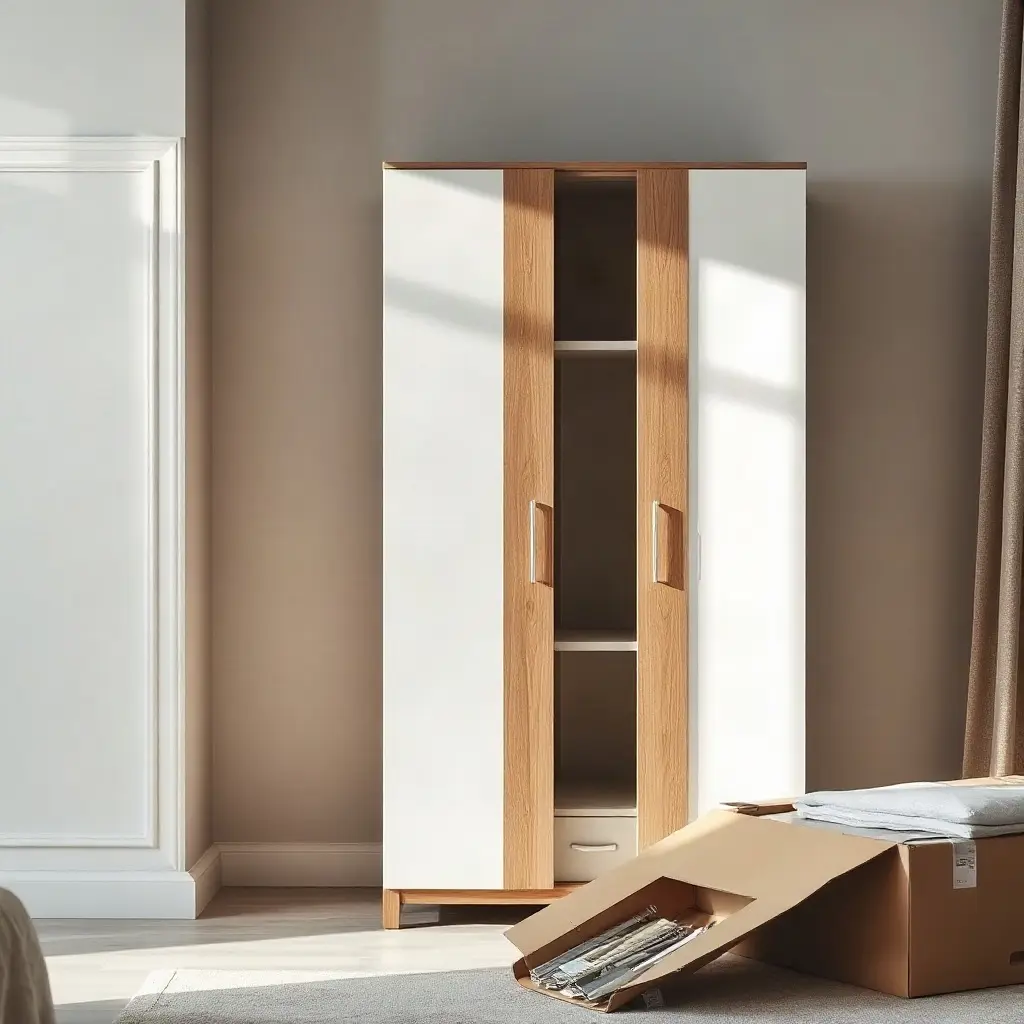
Wardrobes with minor cosmetic defects are generally furniture pieces that remain usable but no longer meet a retailer's standard for pristine, first-quality presentation. The term B-stock usually describes a broader retail condition category, so the actual state of a wardrobe depends on whether it was returned, displayed, opened, handled in a warehouse or affected only in its packaging.
What B-stock means for wardrobes
B-stock is not a single regulated furniture grade. It commonly refers to goods that cannot be sold as factory-sealed, untouched stock, although they may still be unused or fully functional. B-stock inventories can include customer returns, display items, overstock, shelf-exposed goods and warehouse-damaged products, with the precise classification set by the seller or inventory channel. 1
A returned flat-pack wardrobe may have an opened carton but no visible damage, while a showroom wardrobe may have small marks from assembly, handling or repeated door movement. A broader industry explanation places B-stock between factory-new and traditionally used goods, especially where packaging has been opened or the item has been handled. 5 B-stock is therefore a description requiring inspection, not a guarantee of a particular condition.
Cosmetic damage versus structural damage
Cosmetic defects affect appearance rather than the wardrobe's basic load-bearing or operating functions. Typical examples include surface scratches, shallow dents, scuffed laminate, small edge chips, uneven colour, minor staining and damaged cardboard packaging. Australian furniture-seconds guidance also identifies small marks, slight colour variation and packaging damage as common examples. 2
Structural problems are more consequential. Cracked side panels, swollen particle board, loose cam fittings, split screw holes, bent tracks, distorted frames and doors that cannot be aligned may worsen during assembly or ordinary use. A scratch on a finished panel is usually different from a crack extending through the panel. The distinction matters because cosmetic wear can be accepted knowingly, while a concealed structural weakness can affect safety, durability and the availability of replacement components.
Wardrobe types, materials and likely failure points
Freestanding wardrobes are movable units that usually contain hinged doors, shelves, hanging rails or drawers. Built-in wardrobes are fitted to a room and may use the wall, floor or ceiling for support. Sliding-door wardrobes rely on tracks, rollers and correctly aligned panels, making those components especially important during inspection. Flat-packed designs can be returned unopened, partly assembled or reboxed after handling.
Particle board and MDF are common in lower and mid-market storage furniture, while plywood, softwood and hardwood are also used. Laminated surfaces can hide minor marks but may expose a swollen core when chipped or wet. Veneer can show scratches or colour variation, and solid timber may display dents without losing its basic strength. Cosmetic damage near hinges, rails, corners or fasteners deserves closer attention because those areas carry repeated mechanical stress.
How pricing is usually assessed
Condition pricing should be compared with a similar wardrobe made from similar materials, with matching dimensions, assembly status, delivery terms and warranty coverage. The original reference price is less useful than the current cost of a comparable first-quality unit. A wardrobe with missing hardware, uncertain assembly instructions or difficult transport may have a lower practical value even when its visible mark is minor.
Australian second-hand furniture guidance places storage and shelving items broadly at $100 to $250 AUD in 2026, although the category includes more than wardrobes and prices vary with condition, location and construction. 3 B-stock furniture is often assessed below equivalent untouched stock because presentation, packaging, return handling or warranty terms differ. No universal percentage applies, so the final comparison should include transport, replacement parts, assembly and possible repair.
Inspection checklist before purchase
A physical inspection is particularly important for wardrobes because damage can be hidden behind doors or inside packaging. The unit should be viewed from the front, back, sides, top and interior, with attention to corners, screw points, shelf supports and the underside. Doors should open and close repeatedly, hinges should remain tight, and sliding panels should travel smoothly without lifting, scraping or jumping from their tracks.
- Check every panel for swelling, cracks, deep chips or water staining.
- Count shelves, rails, hinges, runners, handles, fasteners and assembly instructions.
- Confirm that doors align and that the frame sits square on a level surface.
- Ask whether the item is assembled, returned, displayed, repaired or sold as-is.
- Record disclosed defects and clarify warranty, returns and transport responsibilities.
Packaging damage should not automatically be treated as product damage. However, a crushed carton may indicate impact to corners, mirrors, tracks or thin panels. Display models can show wear from repeated use even when the surface looks acceptable. Open-box guidance describes a good-condition item as potentially having a small scuff, light scratch or worn packaging while remaining functional. 4
Australian consumer rights and selling channels
Under the Australian Consumer Law, goods supplied by a business generally must be of acceptable quality, match their description and be fit for a disclosed purpose. A known fault that was clearly drawn to the buyer's attention can affect the available remedy for that specific fault. Describing an item as seconds, B-stock or as-is does not automatically remove every consumer guarantee, particularly where a separate undisclosed problem makes the wardrobe unsafe or substantially unfit.
These rights differ from a private sale, and the written condition description is important in either setting. B-stock wardrobes are typically encountered through outlet-style furniture stores, warehouse retailers, manufacturer channels, second-hand furniture shops, showroom sales and online marketplaces. Examples of mainstream furniture names appearing in Australian second-hand market guidance include IKEA and Fantastic Furniture, while broader liquidation discussions mention large retailers such as Costco, Amazon and Wayfair as sources of surplus or returned inventory. 6 3 The sales channel does not by itself establish quality, warranty or availability.
For a wardrobe with minor cosmetic defects, the central question is whether the visible imperfection is clearly identified and whether the frame, doors, fittings and panels remain reliable. A documented defect, complete hardware set and workable return position can reduce uncertainty, while hidden structural damage, missing components and unclear condition grading increase it. B-stock is best understood as a variable category that rewards careful comparison rather than an assumption about quality or price.
Sources
- Getting Started: Inventory Types and Conditions: https://bstock.com/blog/getting-started-inventory-types-conditions/
- Furniture Seconds Sydney: What It REALLY Means: https://afandar.com/furniture-seconds-factory-outlet-sydney/
- How Much Does Second-Hand Furniture Cost? (2026 Price Guide): https://servicetasker.com.au/cost-guides/how-much-does-second-hand-furniture-cost
- Open Box vs. Refurbished vs. As-Is: What Do Furniture Conditions Mean? | Francis Retail: https://francisretail.com/blog/open-box-vs-refurbished-vs-as-is
- What Is B-Stock? The Reality Behind B-Stock Goods in Retail and Online Marketplaces: https://www.brandalignment.com/what-is-b-stock/
- What Is Liquidation Furniture? The Complete Guide to Saving 40–80% | Francis Retail: https://francisretail.com/blog/what-is-liquidation-furniture