3-night Tropical North Queensland stay with breakfast 2026: An independent holiday guide | Practical planning analysis
Key facts
- Cairns accommodation is commonly reported at A$80 to A$150 per night, while Port Douglas often begins around A$200 and exceeds A$350.
- Cairns is about 10 minutes from its airport, while Port Douglas is approximately 68 kilometres north and has a more resort-oriented setting 1.
- A three-night itinerary is most manageable from one base, with reef, rainforest and inland excursions selected according to travel time.
- Breakfast may mean continental items, a cooked meal, buffet service or a set allowance, so room terms require careful checking.
A three-night Tropical North Queensland stay with breakfast in 2026 requires a compact plan because the region stretches from Cairns and Palm Cove to Port Douglas, the Daintree and the Atherton Tablelands. The practical choice is usually one accommodation base, followed by one marine or rainforest-focused day and a shorter local day. Costs, transport schedules, weather and breakfast conditions vary by date and provider, so this guide treats published figures as typical market information rather than an accommodation offer.
Choosing a base for three nights
Cairns is the most flexible starting point for a short visit. It has a city waterfront, the Esplanade lagoon, restaurants, tour departures and access to reef, rainforest and inland excursions. A 2026 comparison guide describes Cairns accommodation at about A$80 to A$150 per night, with airport access taking roughly 10 minutes 1. That range is a general accommodation indication, not a guaranteed breakfast-inclusive rate, and room category, school holidays and weekends can change the total.
Port Douglas suits travellers who prefer a coastal town, Four Mile Beach and a more relaxed, upmarket atmosphere. The same comparison places typical accommodation at A$200 to more than A$350 per night and identifies Port Douglas as approximately 68 kilometres north of Cairns 1. Palm Cove offers a middle-ground coastal base, while the Daintree and Atherton Tablelands are better treated as excursion areas for a short stay unless rainforest seclusion is the primary purpose.
What fits into a realistic itinerary
A Cairns-based plan can use arrival day for the Esplanade and lagoon, a full day for the Great Barrier Reef, and a final day for Kuranda or another nearby rainforest experience. A published 72-hour itinerary combines Skyrail Rainforest Cableway, Kuranda and the Kuranda Scenic Railway, showing how a structured inland day can fit within a short visit 2. The trade-off is that a full Daintree trip may leave little time for a separate reef excursion.
Port Douglas makes the Daintree and Cape Tribulation more convenient than Cairns, while reef trips remain accessible from the town. A 2026 regional guide presents the destination as a combination of Great Barrier Reef, Wet Tropics rainforest, Cairns, Port Douglas and the Atherton Tablelands 3. Attempting all of those areas in three nights creates long road transfers and greater exposure to weather disruption. One major day trip plus one shorter activity is usually more realistic than changing accommodation.
Breakfast and accommodation costs
“With breakfast” is not a standardised meal description. It can refer to continental food, a cooked menu, a buffet, a set meal or a daily allowance applied at a particular venue. The exact terms may differ between room types and dates. Travellers should check whether coffee, juice, dietary substitutions, children’s portions, room service, taxes and resort charges are included, and whether breakfast is supplied on every morning of a three-night stay.
Published Cairns comparisons place general accommodation around A$80 to A$150 per night, while Port Douglas is described at approximately A$200 to A$350 or more per night 1. These figures should not be treated as breakfast-inclusive package prices. Cairns has a broad mix of hotels, apartments and self-contained properties, while its Esplanade and marina areas place visitors close to restaurants and reef departures. A 2026 accommodation guide also describes options ranging from waterfront resorts to apartments and self-contained stays 4.
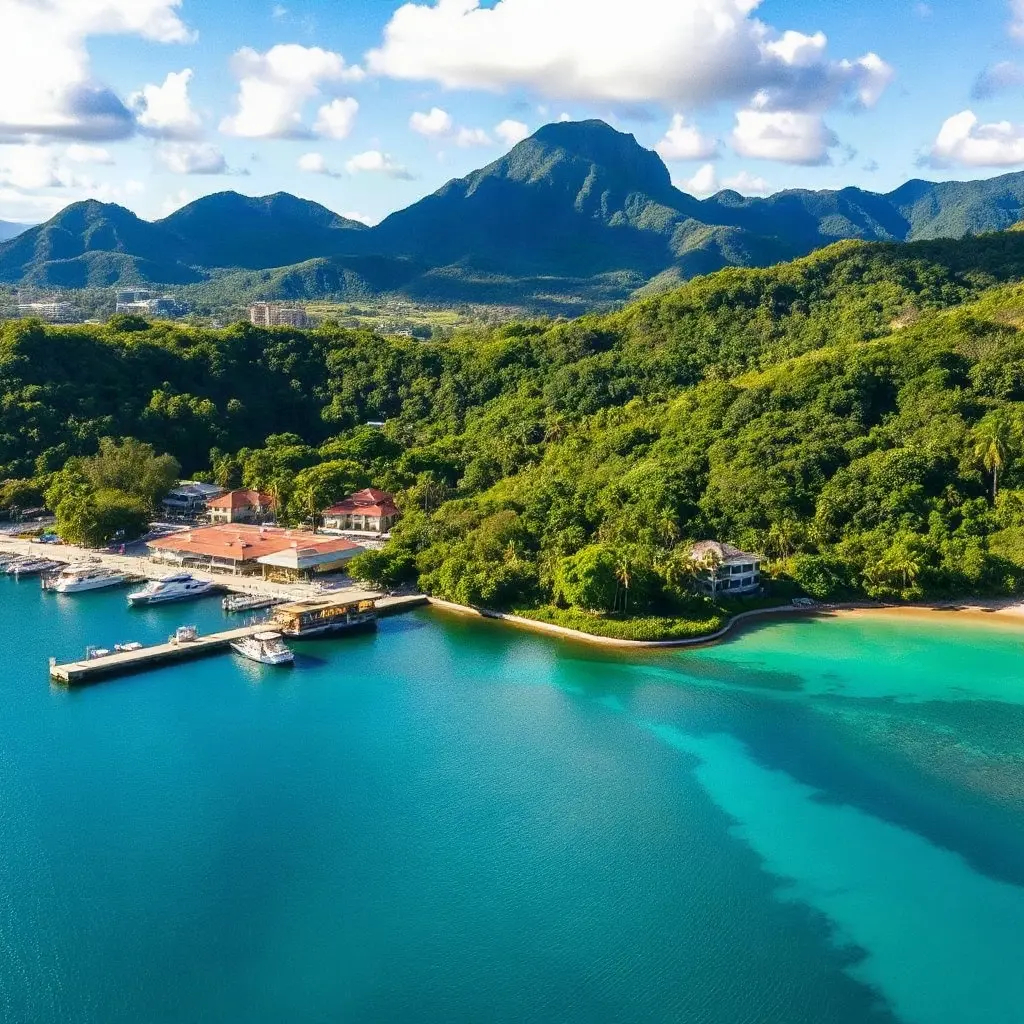
Reef, rainforest and wildlife planning
The Great Barrier Reef is the region’s signature marine experience, but a reef day normally occupies much of the available daylight once transfers, safety briefings and sea travel are included. Snorkelling, diving and glass-bottom viewing have different physical requirements, and marine conditions can affect departures. A short itinerary should allow a land-based alternative, particularly during periods of wind, heavy rain or rough water.
Rainforest choices include Kuranda, the Wet Tropics, the Daintree and Cape Tribulation. Skyrail provides canopy views and walking opportunities around rainforest stations, while the Kuranda Scenic Railway supplies a separate rail experience 2. Wildlife parks and cultural attractions add variety but can make the day crowded when combined with long drives. National parks and marine areas may have entry rules, safety notices, permits or separate fees, so current official conditions matter more than an old itinerary.
Getting there and getting around
Cairns Airport is the main air gateway for the region, with the city centre close enough for a short road transfer. Cairns itself is workable without a car when accommodation is central and organised excursions provide transport. Local buses, taxis, private transfers, rental vehicles and tour coaches cover different parts of the region, but their usefulness changes outside the city. Airport transfer time should be considered separately from flight time when planning a three-night stay.
Port Douglas requires a road transfer north from Cairns, and the distance is approximately 68 kilometres 1. A rental vehicle offers flexibility for Palm Cove, Mossman and rainforest viewpoints, but visitors should account for unfamiliar roads, wet-weather conditions and limited daylight. Travelling independently to the Daintree can also involve ferry arrangements and road restrictions, while organised excursions reduce driving but impose fixed departure times. Current transport schedules should be checked for the intended travel dates.
Seasonal conditions and practical rules
Tropical North Queensland has a wet season that can bring intense rainfall, flooding, reduced visibility and altered road conditions. The drier months generally provide more predictable conditions for reef and rainforest plans, although marine weather can change at any time. Stinger risk, sun exposure, dehydration and slippery walking surfaces are practical concerns. Reef operators may require suitable swimming ability or safety equipment, and national parks can restrict access after storms or during hazardous conditions.
International visitors need the appropriate Australian entry permission for their nationality, while all travellers should carry identification and follow health, biosecurity and park instructions. Weather, sea conditions and operator schedules can disrupt a tightly packed itinerary, so a three-night visit benefits from keeping the first and last days geographically simple. The independent approach is to compare Cairns, Port Douglas and Palm Cove by transfer time, accommodation format, breakfast conditions and excursion access rather than treating any single package description as universal.
Sources
- Cairns vs Port Douglas | Where Should You Stay?: https://www.cairnsdiscoverytours.com/cairns-vs-port-douglas/
- 72 Hours In Tropical North Queensland: https://bbmlive.com/tropical-north-queensland-itinerary/
- Tropical North Queensland Travel Guide | Outlook Travel Magazine: https://www.outlooktravelmag.com/travel-guides/oceania/australia/tropical-north-queensland/tropical-north-queensland-travel-guide
- The Best Accommodation in Cairns | Australian Traveller: https://www.australiantraveller.com/qld/tropical-north/cairns/accommodation-in-cairns/