Care home fees in Northern Ireland: average weekly costs and what they cover
Care home fees in Northern Ireland depend on the type of care required, the home’s facilities and its location. Average weekly costs can differ considerably between residential care and nursing care, while public funding arrangements depend on a financial assessment by the relevant Health and Social Care Trust.
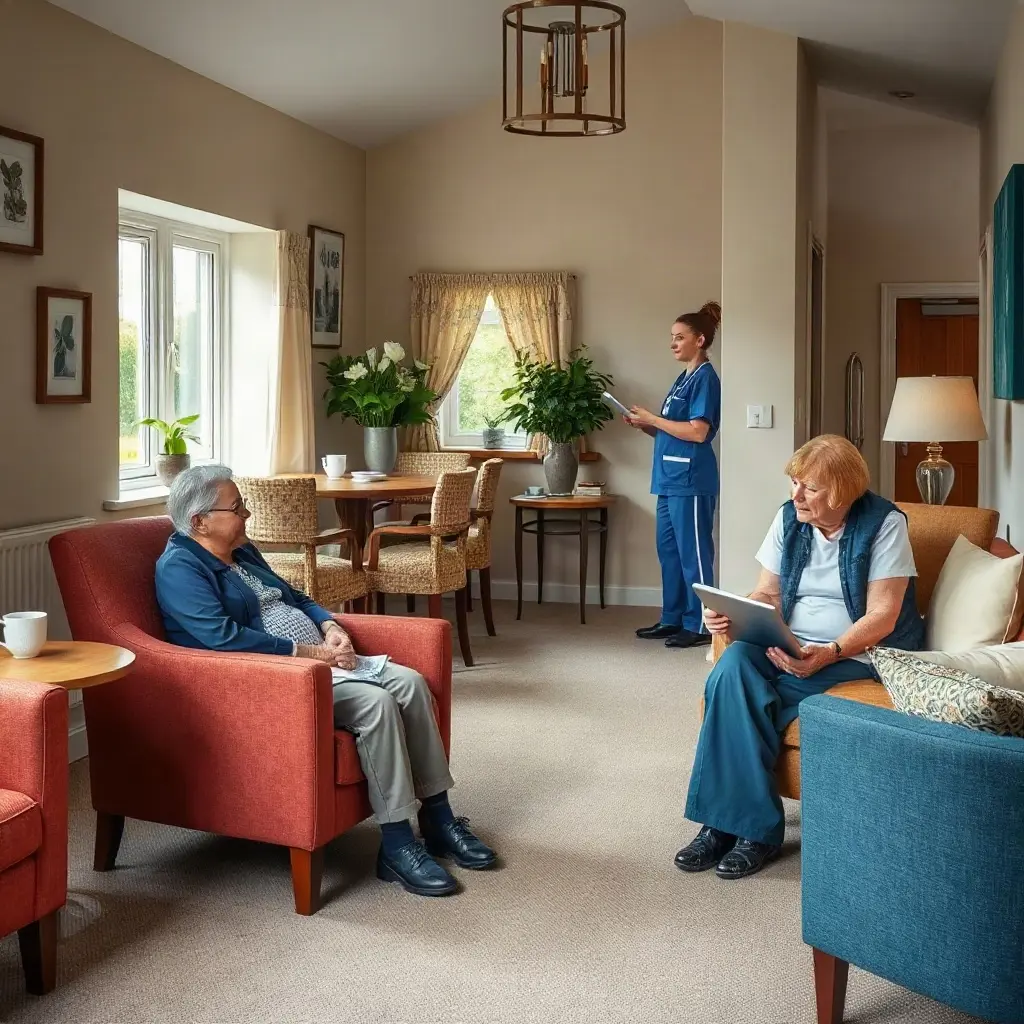
Typical weekly care home costs in Northern Ireland
As a broad guide, residential care in Northern Ireland commonly ranges from approximately £700 to £1,100 per week. Nursing care often costs more, with typical fees of around £850 to £1,400 per week. Some homes charge outside these ranges, particularly where rooms are en-suite, accommodation is newly built or residents have complex medical needs.
These figures are general market estimates rather than fixed regional tariffs. Fees in and around Belfast and other areas with higher property and staffing costs may be different from those in smaller towns or rural districts. The weekly rate can also increase when a resident needs one-to-one supervision, specialist equipment, dementia support or a higher level of nursing input.
- Residential care: usually provides accommodation, meals, personal care and support with daily activities.
- Nursing care: includes residential services alongside regular care from registered nurses or other qualified nursing staff.
- Dementia care: may have a higher rate because of secure areas, enhanced supervision and specialist staffing.
- Short-term or respite care: can have a different daily or weekly rate from a long-term placement.
What a standard weekly fee usually covers
The core fee normally covers a room, heating, electricity, meals and routine cleaning. It also usually includes help with personal care such as washing, dressing, using the toilet and taking part in ordinary daily routines. Staff support is generally available around the clock, although the exact staffing arrangement varies between homes and between residential and nursing units.
Most fees include laundry for everyday clothing and bedding, basic social activities and access to shared lounges or gardens. Some homes include hairdressing sessions, newspapers or outings within the weekly price, while others treat them as separate services. The written fee information should explain what is included and whether charges apply for services that are not part of the standard package.
Services that may be included
- Room and shared accommodation facilities
- Regular meals, drinks and snacks
- Personal care and help with mobility
- Routine laundry and housekeeping
- Basic activities and communal entertainment
- Care planning and communication with health professionals
Residential care compared with nursing care
Residential care is generally designed for people who can live safely in a supported setting but need assistance with personal tasks or cannot manage independently at home. Staff may include care assistants, senior care workers and visiting healthcare professionals. A registered nurse may not be permanently present in a residential unit.
Nursing care is intended for residents who have ongoing clinical needs as well as help with daily living. This might include wound care, injections, continence support, complex medication routines or monitoring of long-term conditions. The higher fee reflects nursing staff, clinical oversight and the equipment needed to manage those needs. A person’s care category can change if their health needs increase, and the fee may then be reassessed.
Some homes have separate residential and nursing sections, while others are registered to provide both types of care. A placement decision is normally based on an assessment of care needs, rather than on age or diagnosis alone.
How Health and Social Care Trust funding works
In Northern Ireland, the local Health and Social Care Trust assesses care needs and financial circumstances when a person may require a permanent care home placement. The care needs assessment considers whether residential or nursing care is appropriate. A separate financial assessment then looks at income, savings, investments and property interests.
Where the person has assets above the relevant threshold, they will generally be expected to contribute more towards the assessed cost. Northern Ireland commonly uses capital thresholds in the region of £14,250 and £23,250, although these figures and the treatment of different assets can change. Capital below the lower figure is usually treated differently from capital between the two thresholds, while assets above the upper figure may result in the person paying the full assessed fee.
Income such as pensions and certain benefits is normally taken into account. The resident should retain an amount for personal spending, known as a personal expenses allowance. The amount is set under the social care charging rules and can be updated periodically.
Property, temporary stays and deferred payments
The treatment of a former home is one of the most complicated parts of a care fee assessment. A property may be disregarded for a period when a person enters a care home, commonly known as the 12-week property disregard, subject to the applicable rules. A property can also receive different treatment if a qualifying relative continues to live there, such as a partner or certain dependent relatives.
When property value is included in an assessment but there is not enough accessible income or savings to meet the fees, a deferred payment arrangement may be available through the Trust. This can allow some care costs to be deferred against the value of the property, subject to eligibility, legal arrangements and any security required. It is not automatic, and interest or administration charges may apply under the terms of the arrangement.
Short-term stays can be assessed differently from permanent care. For example, a temporary placement after hospital treatment or a respite stay may have a separate contribution process. The length and purpose of the stay can affect how income, capital and property are considered.
Nursing contributions and health-related funding
Some residents who are assessed as needing nursing care may qualify for a contribution towards registered nursing costs. This is commonly referred to as NHS-funded nursing care. The payment is normally made directly to the care home and reduces the amount that relates to nursing provision, rather than covering the whole weekly fee.
A small number of people may qualify for fully funded continuing healthcare when their primary need is assessed as a health need rather than primarily a social care need. Eligibility is based on a detailed assessment and is not guaranteed by a particular diagnosis. The funding position can be reviewed if care needs change.
These arrangements mean that the amount paid by a resident or family can differ from the advertised weekly fee. The care home may quote one overall rate, while the Trust applies its own assessment and funding rules separately.
Additional costs outside the weekly fee
Although many day-to-day services are included, residents can still have personal expenses. Common examples include clothing, toiletries, personal telephone charges, television services, newspapers, hairdressing, beauty treatments and some transport costs. Chiropody, dental treatment, spectacles and private therapies may also be charged separately, depending on the service and how it is arranged.
Families may also need to consider fees for residents’ outings, special meals requested for personal preference, replacement items and room furnishings. Some homes include activities and local trips, while others charge for particular events. A clear fee schedule should distinguish between essential care, optional services and expenses paid directly by the resident.
- Ask which services are part of the weekly rate and which are charged separately.
- Find out how fees change if residential care becomes nursing care.
- Establish how medication, continence supplies and specialist equipment are handled.
- Read the rules covering annual fee reviews and changes in care needs.
Why fees can change after admission
Care home fees are often reviewed annually, and they may also change when a resident’s needs become more complex. Staffing costs, food, energy, insurance and property maintenance all influence the rate. A resident who develops mobility difficulties, advanced dementia or clinical needs may require a different care package and a higher fee.
Income can change as well. Pension increases, changes to benefits, the sale of a property or a change in savings may affect the assessed contribution. When public funding is involved, the Trust may carry out further assessments to reflect those changes.
Understanding the total cost over time
A weekly fee of £800 is approximately £41,600 over a full year, before personal expenses or any fee increases. At £1,100 per week, the annual figure is about £57,200. These calculations show why the difference between residential and nursing rates, or between homes in different areas, can have a substantial effect over several years.
The most useful comparison is not simply the advertised weekly figure. It is the total expected contribution after Trust funding, nursing contributions, pension income and allowable expenses have been considered. A written agreement should explain the fee, what it covers, how reviews operate and what happens if the resident’s care category changes.