2027 Honda Odyssey features
The 2027 Honda Odyssey continues to serve as a staple in the minivan segment, focusing on family-oriented utility and passenger comfort. This vehicle is engineered to provide consistent performance across various driving conditions while integrating modern digital features that cater to the requirements of multi-passenger travel.
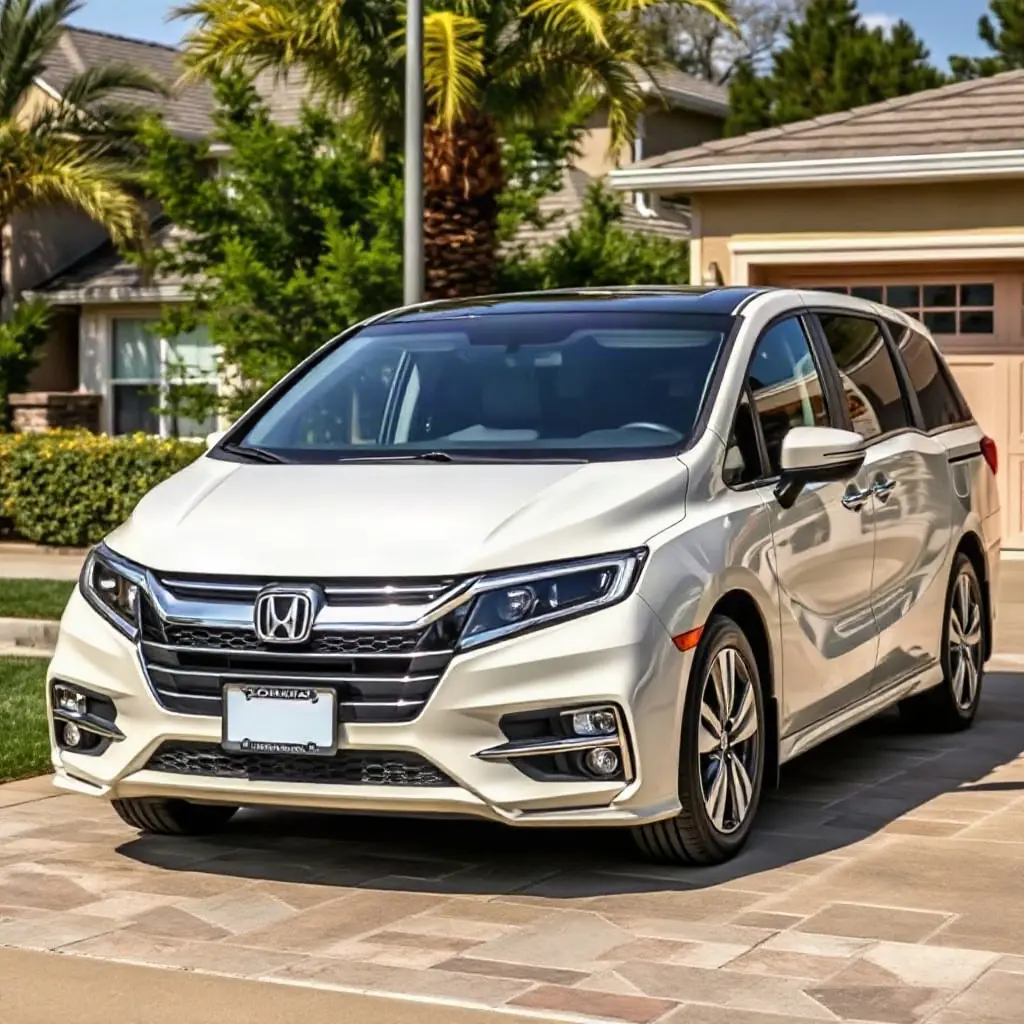
The 2027 model relies on a proven 3.5-liter V6 engine paired with a 10-speed automatic transmission to deliver reliable acceleration and highway power. Interior flexibility remains a core aspect of the design, featuring seating for up to eight passengers and modular cargo configurations. Safety is managed through the standard inclusion of driver-assistance technology, while various trim levels allow for the selection of specific comfort and multimedia enhancements.
2027 Honda Odyssey Overview
The 2027 Honda Odyssey maintains its status as a dedicated minivan, prioritizing cabin volume and road stability over off-road capabilities or high-performance track metrics. It is designed for families and long-distance commuters who prioritize interior space and ergonomic design. The vehicle architecture is built upon a front-wheel-drive platform, which helps maximize floor space in the rear passenger areas compared to traditional sport utility vehicles.
Because it is categorized strictly as a minivan, the Odyssey features a lower step-in height and sliding rear doors. This design choice is intended to facilitate easy entry and exit in tight parking environments and to assist families in loading bulky child safety seats or cargo into the cabin.
Engine and Performance Specifications
Powering the 2027 Odyssey is a 3.5-liter i-VTEC V6 engine that generates approximately 280 horsepower. This engine is optimized for towing light trailers and maintaining steady power during highway merging, with a maximum towing capacity typically rated around 3,500 pounds when properly equipped.
The integration of a 10-speed automatic transmission is designed to improve fuel economy during cruising while providing smooth gear transitions. Drivers can expect fuel efficiency figures that are standard for the segment, generally ranging from 19 to 22 miles per gallon in combined city and highway cycles, depending on driving habits and passenger load. The suspension system is tuned for ride comfort, prioritizing the absorption of road imperfections over stiff, sporty handling.
Interior Layout and Cargo Capacity
The interior of the 2027 Odyssey revolves around the Magic Slide second-row seating system. This feature allows the middle seats to slide laterally and longitudinally, providing multiple configurations that help owners prioritize either walk-through access to the third row or proximity between passengers. The third-row Magic Seat is designed to fold flat into the floor, a feature that significantly increases cargo space without requiring the seats to be removed from the vehicle.
Total cargo volume behind the front row can exceed 140 cubic feet when all rear seats are folded or removed. The exact capacity varies slightly by trim due to differences in sunroof equipment and interior materials. The cabin also includes various storage compartments, including a center console designed to hold large items and multiple beverage holders throughout all three rows.
Safety and Driver Assistance Features
All 2027 Honda Odyssey models come equipped with the Honda Sensing suite as a standard inclusion. This package includes a variety of electronic systems intended to assist the driver in avoiding potential incidents. These systems rely on a combination of cameras and radar sensors positioned around the vehicle exterior.
- Collision Mitigation Braking System: Detects obstacles and applies the brakes if a collision is deemed imminent.
- Road Departure Mitigation: Alerts the driver and provides steering intervention if the vehicle drifts off the roadway.
- Adaptive Cruise Control: Automatically adjusts the vehicle speed to maintain a set following distance behind slower traffic.
- Lane Keeping Assist: Provides subtle steering corrections to keep the vehicle centered within identified lane markings.
Infotainment and Multimedia Capabilities
The dashboard is anchored by a high-definition touchscreen interface that supports smartphone integration via Apple CarPlay and Android Auto. These systems allow for the display of navigation, music, and communication apps directly on the vehicle screen, reducing the need for the driver to interact with a handheld device.
For rear passengers, higher trim levels provide access to an integrated rear-seat entertainment system. This often includes a drop-down screen, wireless headphone connectivity, and support for streaming media via third-party devices. In-cabin PA systems and camera monitoring, often referred to as CabinTalk and CabinWatch, allow front-seat occupants to communicate with or view passengers in the rear rows through the main infotainment screen.
Trim Level Hierarchy
The 2027 Odyssey is available in several distinct trim levels, each offering a different baseline of equipment and aesthetic styling. While the mechanical components remain largely identical, the interior amenities distinguish the lower tiers from the top-of-the-line options.
| Trim Level | Key Characteristics |
|---|---|
| EX-L | Standard leather upholstery and power tailgate. |
| Sport | Unique exterior styling accents and dark-themed interior trim. |
| Touring | Includes rear-seat entertainment and premium navigation systems. |
| Elite | Includes ventilated front seats, premium audio, and hands-free power tailgate. |
Purchasing and Service Channels
The 2027 Honda Odyssey is obtained exclusively through a network of independent franchised dealerships. These facilities are the primary point of contact for viewing the vehicle, test driving, or discussing the manufacturer-suggested configurations. A person typically visits a showroom to review the inventory on the lot or coordinates with the staff to secure a specific trim and color combination directly from the factory supply chain.
Requirements for acquiring a vehicle, such as credit verification for financing or registration documentation, are managed entirely by the individual dealership or the financial institution chosen by the buyer. Prices are determined by the manufacturer's suggested retail price, though the final cost at a given location may vary based on local market supply, regional taxes, and additional destination charges set by the distributor.
Ownership Costs and Maintenance
Understanding the long-term costs of a 2027 Odyssey involves looking beyond the initial acquisition price. Depreciation, or the rate at which the vehicle loses value over time, is a significant factor in total cost of ownership. Owners should also account for the recurring costs of fuel, which depend on local prices and individual driving frequency.
Scheduled maintenance is another necessary consideration. Manufacturer guidelines typically suggest oil changes, tire rotations, and brake inspections at specific intervals, often tracked via an in-dash maintenance monitoring system. Insurance premiums for the 2027 Odyssey vary based on the driver's history, the geographic location of the vehicle, and the coverage limits selected through an insurance provider.
Competitive Landscape and Market Context
The 2027 Honda Odyssey operates within a competitive minivan market where primary alternatives include the Toyota Sienna and the Chrysler Pacifica. The Sienna is notable for its standard hybrid powertrain across all trims, whereas the Chrysler Pacifica is often recognized for the availability of plug-in hybrid variants and unique stow-and-go seating. Comparing these vehicles typically involves weighing the Odyssey's focus on V6 power and interior flexibility against the fuel-efficiency benefits or specific cargo mechanisms found in competing models.
Market context is crucial when evaluating these options, as manufacturers adjust features annually to keep up with industry trends. A potential owner should look for how each vehicle handles typical daily scenarios, such as loading passengers in tight spaces or navigating urban congestion, as these practical experiences often differ from the specifications listed on paper.