Abandoned bank-owned homes and ownership checks
A house with boarded windows or an overgrown yard may look abandoned, but that does not mean it has no owner. Some vacant properties are owned by a bank or another lender after foreclosure; others remain in an individual’s, an estate’s, or a company’s name. This article explains what bank ownership means and how ownership checks can help distinguish the recorded owner from the property’s visible condition.
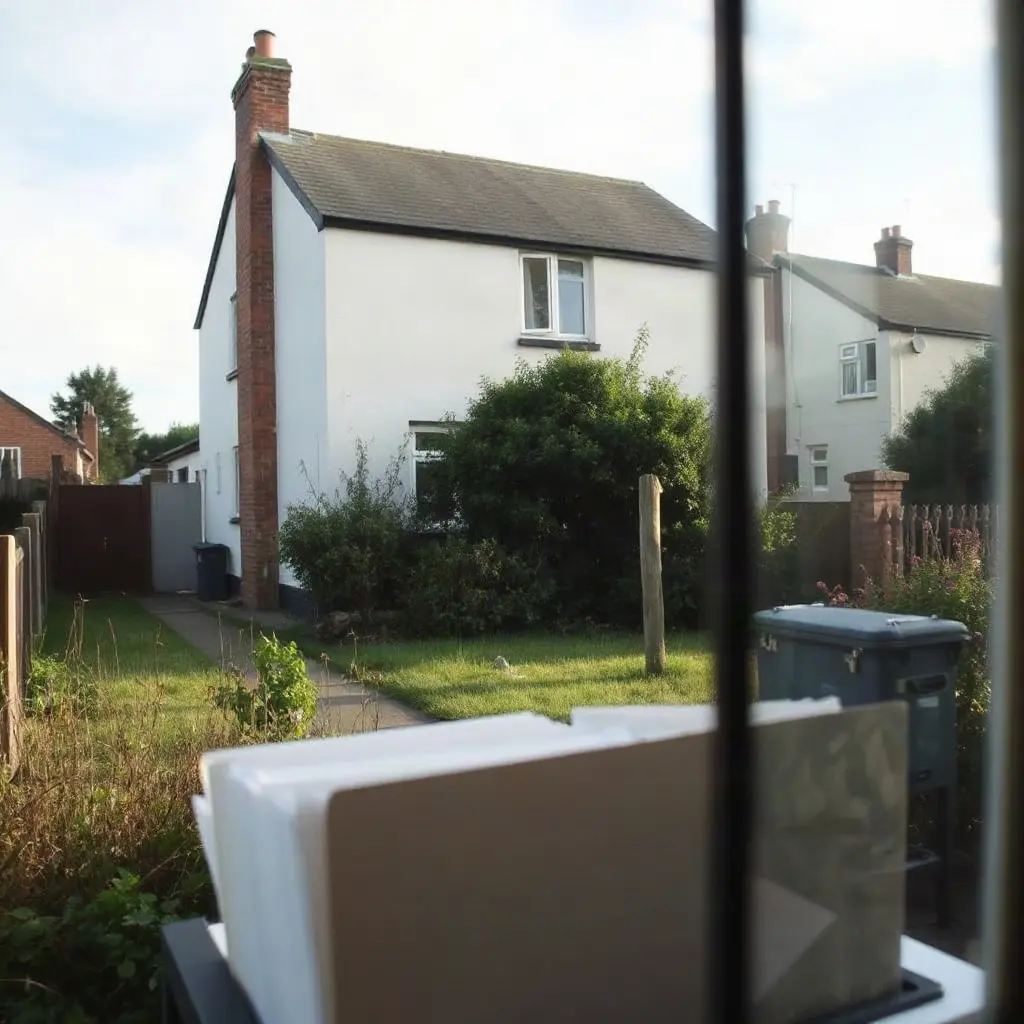
A bank-owned home usually means a lender has taken legal title after a completed foreclosure or similar process, though terminology and procedures differ by jurisdiction. Ownership checks start with the property’s parcel or legal description and the public land or deed register, then compare recorded transfers with tax, court, and other relevant records. Vacancy alone proves neither ownership nor availability, and liens, occupants, or delayed records can affect what a search reveals.
What “abandoned” means for a vacant home
“Abandoned” is often a descriptive word rather than a formal ownership category. A house may appear unused because its owner is away, it is undergoing repairs, an estate is being settled, or a lender has taken possession after foreclosure. Some places have legal procedures for formally declaring property abandoned, but their definitions and consequences are local, not universal.
Visible clues such as accumulated mail, uncut vegetation, damaged windows, or disconnected utilities can suggest vacancy, but each has other explanations. They do not establish that the owner has surrendered the property, that a bank holds title, or that anyone may enter it. Entering or removing items without authorization can create legal and safety problems, even when a building looks deserted.
How a home becomes bank-owned
In a typical foreclosure, a borrower defaults on a secured loan and the lender pursues the process allowed by local law and the loan documents. The property may be offered at a court-supervised or public sale. If no other buyer completes the sale, the lender may take title; the home is then commonly called bank-owned or real-estate-owned, often shortened to REO.
The label is not always exact. A property may instead be held by a trust, a subsidiary, a receiver, or another entity involved in the foreclosure, and in some systems a lender may have control without yet being the registered owner. A completed transfer recorded in the relevant property register is stronger evidence of ownership than a foreclosure notice, auction announcement, or sign on the building.
How ownership checks usually establish the recorded owner
Start with a reliable property identifier, such as the parcel number, lot number, or legal description. A street address alone can be ambiguous: a parcel may have been divided, addresses may have changed, or multiple units may share one address. A local land registry, title register, or deed-recording office may allow searches by parcel, address, owner name, or document reference, depending on local practice.
Read the latest recorded transfer and trace earlier transfers far enough to understand how title reached the current owner. Compare the names, dates, and legal description, and note whether the document is a deed, foreclosure transfer, court order, or another instrument. A recent sale may not yet appear, and an online index may contain only summaries. For a transaction or a disputed property, a professional title search can examine the underlying documents rather than relying on a name search alone.
Records beyond the deed register
Different records answer different questions. Parcel maps and cadastral plans help match a building to a legal parcel; tax assessor or municipal tax records may show the party billed for property taxes; and court files can indicate a foreclosure, probate matter, or lawsuit. Tax billing records are useful clues, but the person billed is not necessarily the legal owner.
Mortgage or charge registers can show recorded loans or security interests, while planning and building files may reveal permitted work or restrictions. Access and public availability vary: some registers are searchable by the public, some require a formal request or fee, and some documents are protected. A map can clarify boundaries but generally does not replace the legal description in the title records.
Who handles a bank-owned sale and how it proceeds
When a lender holds title and decides to dispose of a property, its asset-management department or appointed property agent generally coordinates the sale. Common channels include a real-estate professional, a public auction, or a court-related sale process. The person or entity named as owner, rather than the property’s appearance or an informal sign, is the key starting point for identifying who has authority to sell.
The process generally involves identifying the property, establishing the seller’s authority, reviewing sale terms, and submitting an offer or bid through the stated channel. The lender or other legal owner sets the sale conditions and may use an agent or auction operator to administer them. Registration, identity documents, bidding rules, inspection access, and deadlines differ by seller and jurisdiction. A listing or auction notice is not itself proof that title has transferred or that the advertised party owns the property.
Liens, taxes, and other claims that may affect title
Ownership is not the only important part of a title search. Recorded mortgages, tax claims, court judgments, construction liens, easements, and restrictions may affect the property or its future use. Which claims remain after foreclosure depends on local law, the order in which claims were recorded, and the specific foreclosure process. It is unsafe to assume that a lender-owned transfer removes every claim.
Tax records can also show unpaid property taxes or assessments, although the amount and legal priority need to be established from the responsible local office and relevant documents. Easements may give others rights to use part of the land, while covenants can restrict certain uses. A title professional or lawyer can interpret how particular claims attach to a parcel and whether a court order or later release changes their status.
Occupancy is different from ownership
A vacant-looking home can still be occupied by a tenant, former owner, caretaker, or other person with a legal right to remain. Curtains, lights, maintained paths, or utility activity may indicate use, but absence of those signs does not prove the building is empty. A recorded owner and the person entitled to possess the home are not always the same.
Foreclosure and transfer of title do not necessarily resolve tenancy or possession immediately. Local rules may require notice or a court process before occupants can be removed, and the applicable steps depend on their status and the jurisdiction. Do not enter, change locks, or interfere with belongings based only on a vacancy assumption. Occupancy questions require separate, lawful handling from the title search.
Why property records can be incomplete or confusing
Records may use initials, former names, spelling variants, or the name of a trust or company rather than the name shown on a building notice. A transfer can be signed but not yet registered, or a court proceeding can be underway without a final transfer. These gaps can make a search appear to show an older owner even when a change is pending.
Parcel boundaries and identifiers may also change after subdivision, consolidation, or a survey correction. Compare the legal description across documents rather than matching names alone, and treat tax data as supporting information instead of conclusive title evidence. If records conflict, the underlying instruments and the rules of the local registry matter more than a search-result summary.
When professional title review is useful
A title search professional, conveyancer, or real-estate lawyer can examine recorded instruments, identify gaps in the ownership chain, and explain claims under local law. The role and licensing requirements vary by jurisdiction. Assistance is especially useful when a foreclosure transfer is recent, an estate or company is involved, a lien appears unresolved, or the parcel description does not match the address.
Professional review does not make every risk disappear. The search may be limited by records that are not public, documents not yet filed, errors in older records, or disputes that have not reached a final decision. A physical inspection and a title review address different issues: one can reveal visible condition, while the other focuses on legal interests recorded against the property.
Limits of an ownership check
An ownership check can identify the person or entity shown in the available records and reveal many recorded claims, but it cannot by itself prove that a house is abandoned, safe to enter, structurally sound, or clear of every possible dispute. Some jurisdictions provide detailed searchable registers; others rely on document requests, local offices, or professional searches. The reliability and timing of information depend on the record system and how promptly documents are filed.
The clearest picture comes from treating ownership, possession, condition, and sale authority as separate questions. A bank-owned label should be supported by a recorded transfer or other authoritative document, while occupancy and outstanding claims require their own review. If the records are unclear, local property and legal professionals can explain which documents control and what the next lawful steps are.