7-day Malta holiday itinerary covering flights, accommodation and meals: An independent planning guide
Key facts
- A typical 2026 Malta budget ranges from about €50 to €200 or more per person per day, depending on travel style. 1 2 3
- Published 2026 guides place accommodation at roughly €25 to €250 per night, from hostel beds to higher-end rooms. 2
- Public bus fares are commonly reported at about €2 per ride, while a seven-day Explore Card is reported at €21. 4 3
- Spring, early summer and autumn generally offer more manageable sightseeing conditions than Malta's hottest summer months. 5 4
A seven-day Malta holiday itinerary covering flights, accommodation and meals works best as an independent planning framework rather than a fixed package. Malta combines Valletta's fortified streets, Mdina's medieval character, swimming coves, prehistoric temples and short trips to Gozo and Comino. The central planning questions are where to stay, how to divide the week, what meals typically cost, and how seasonal conditions affect transport, admissions and time outdoors.
Where to stay during a one-week Malta trip
Valletta is the strongest base for history, museums, harbour views and walking access to major cultural sights. Sliema and St Julian's provide a more built-up waterfront setting with restaurants, ferries and extensive accommodation, while Mellieħa is better placed for northern beaches, Gozo ferries and Comino excursions. Mdina is atmospheric for a short stay, although its quieter evening setting may suit travellers who prefer a slower pace.
Accommodation costs vary substantially by season, location and room standard. A 2026 Malta cost guide gives approximately €25 to €40 for a hostel bed, €60 to €95 for a mid-range room and €140 to €250 for higher-end accommodation per night. 2 Another guide places hostel accommodation around €20 to €30 in Sliema or St Julian's. 3 July and August are reported to add roughly 30% to 60% to hotel rates compared with winter in one published estimate. 2
A practical seven-day itinerary
Days one and two can focus on Valletta, including the city walls, Upper Barrakka viewpoints, St John's Co-Cathedral area and the harbour-facing Three Cities. Day three suits Mdina and nearby Rabat, where narrow lanes and historic buildings contrast with Valletta's grander Baroque plan. These first days are largely cultural and walkable, so comfortable footwear matters on limestone streets and uneven lanes. 5 4
Days four and five can cover the north and the smaller islands. A Comino and Blue Lagoon boat outing can occupy one day, while Gozo merits another for coastal scenery and villages. Day six can combine Ħaġar Qim or another prehistoric temple area with a southern coast visit. Day seven works as a flexible beach, harbour or repeat-sightseeing day, allowing for weather, ferry conditions and the slower pace of public transport.
| Day | Suggested focus | Planning note |
|---|---|---|
| 1 | Valletta orientation | Walking and harbour viewpoints |
| 2 | Valletta and Three Cities | Allow time for major interiors |
| 3 | Mdina and Rabat | Historic lanes and cultural visits |
| 4 | Comino or northern beaches | Check marine conditions |
| 5 | Gozo | Plan ferry and island transport |
| 6 | Prehistoric temples and south coast | Balance admission sites with outdoor stops |
| 7 | Flexible final day | Keep space for weather changes |
Flights, arrival and getting around
Malta International Airport is the principal air gateway, and UK visitors generally arrive there on direct or connecting services depending on their departure airport and travel dates. Airfares are highly date-sensitive, particularly around school holidays and the June to September high season. The published cost material provides United States flight estimates rather than a reliable UK-specific 2026 range, so a UK flight total should be treated as a variable part of the budget rather than a fixed itinerary cost.
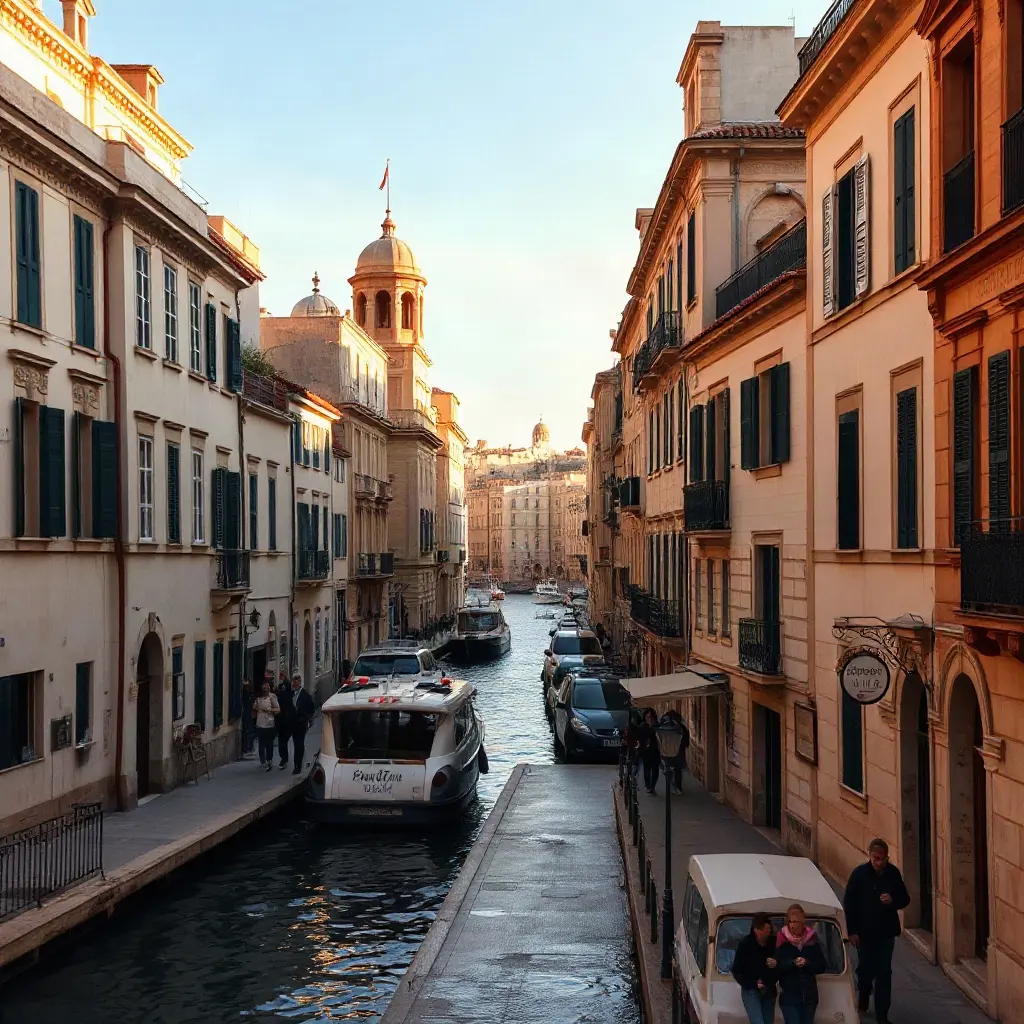
Once on the islands, buses are the main public transport option and connect Valletta, Sliema, St Julian's, Mellieħa and other tourist areas. Published 2026 guides report approximately €2 per bus ride and €21 for a seven-day Explore Card. 4 3 Taxis, app-based rides, ferries and occasional car hire provide alternatives, but road congestion can make journey times unpredictable. Gozo requires separate ferry planning, while a car can be useful on quieter Gozo roads. 5
Typical costs for meals, rooms and activities
Food spending depends on whether meals come from cafés, casual local restaurants, supermarkets or hotel dining rooms. A 2026 cost breakdown places food at about €15 to €22 per day for a backpacker pattern, €40 to €55 for mid-range dining and €70 to €110 for more elaborate meals. 2 Another guide describes a €3 to €5 café sandwich or pastizzi, a €12 to €18 sit-down meal and supermarket self-catering as components of a lower-cost day. 3
For the complete trip, published 2026 estimates range from about €50 to €70 per person per day for a basic style, €100 to €150 for mid-range travel and €250 or more for luxury travel. 3 A separate guide gives €55 to €80, €120 to €180 and €250 to €450 across comparable tiers. 2 These figures illustrate market variation rather than a guaranteed total, and they may exclude flights, unusual excursions and personal purchases.
| Cost category | Indicative 2026 range | What affects it |
|---|---|---|
| Accommodation | €25 to €250 per night | Room type, location and season |
| Meals | €15 to €110 per day | Self-catering, cafés or restaurant dining |
| Transport | €4 to €50 per day | Buses, ferries, taxis or car hire |
| Activities | €5 to €80 per day | Museums, boat trips and guided visits |
Seasonal conditions and access considerations
Spring is described as suitable for walking and sightseeing, with typical maximum temperatures of 18°C to 24°C from March to May. Summer temperatures can reach 30°C to 38°C from June to September, with humidity as high as 85%. 5 A separate 2026 guide identifies April to June and September to October as shoulder-season periods with temperatures around 20°C to 28°C and more manageable visitor numbers. 4
Sea excursions and swimming are most weather-dependent, while outdoor archaeological areas can become uncomfortable during the hottest part of the day. The Blue Lagoon is reported to receive very heavy visitor numbers in July and August, with weekdays in May, June or September described as less crowded. 4 The Ħal Saflieni Hypogeum has capped daily entry and is reported to require advance planning, with one guide recommending preparation around three months ahead. 5
Entry rules and practical planning checks
Malta follows Schengen travel arrangements, but entry conditions depend on nationality, passport validity, length of stay and the purpose of travel. UK citizens should verify the current requirements through official Maltese or UK government information before finalising transport, because rules and documentation standards can change. Travel insurance, proof of accommodation and evidence of onward travel may also be relevant depending on the traveller's circumstances, although they do not replace the applicable entry rules.
English is an official language, the euro is the local currency and Malta is compact enough for a mixed city, beach and heritage itinerary. Tap water is reported as safe to drink by a 2026 travel guide. 4 Practical risks include heat exposure, crowded summer sites, ferry disruption, narrow roads and traffic delays. A balanced week therefore leaves flexibility around boat trips, avoids scheduling every admission at midday, and separates long northern or Gozo journeys from dense Valletta sightseeing.
Sources
- Complete Malta Travel Guide 2026: https://www.travelwithhello.com/guide/malta
- Malta Travel Costs: Real Daily Budget by Traveler Type · Malta Travel Guides: https://maltatravelguides.com/posts/malta-travel-costs/
- Malta daily budget 2026: how much does a trip cost?: https://www.malta-spirit.com/guides/malta-budget-cost-per-day/
- Best Things to Do in Malta (2026 Guide) | Nomado Travel: https://www.nomadotravel.app/en/guides/things-to-do-in-malta
- 14 things to know before visiting Malta - Lonely Planet: https://www.lonelyplanet.com/articles/things-to-know-before-traveling-to-malta