Where to find Pomeranian rescue dogs and puppies for adoption near you: A U.S. guide to sources, screening and costs
Key facts
- Breed-specific rescue fees typically range from $150 to $600, while general rescue fees commonly range from $75 to $500. 1
- Published shelter data shows dog adoption fees ranging from $25 to $600, depending on age, location and organization. 2
- Adoption fees often help cover vaccinations, microchipping, spay or neuter surgery, food and veterinary care. 3 4
- Breed-specific availability varies by state, so adopting a Pomeranian may require travel or a longer wait. 5
Finding Pomeranian rescue dogs and puppies for adoption near a particular U.S. location usually involves checking several channels rather than relying on one source. Breed-specific rescue groups, municipal shelters, foster-based organizations and nationwide animal databases each have different coverage, screening standards and adoption procedures. Pomeranians are small companion dogs with grooming, dental and social needs that should be considered alongside location and cost.
Where Pomeranian rescues are usually found
Breed-specific rescue groups are the most focused source because they work primarily with Pomeranians and closely related mixes. Their volunteers may understand common breed behaviors, grooming requirements and placement concerns. Availability is uneven across the country, however. A breed-specific organization may serve several states, while another may operate only within a regional network. A national search can therefore be more useful than limiting the search to one city.
Large, multi-breed organizations are another route. Examples described in national rescue coverage include Best Friends, which operates a primary shelter in Utah and works with partner groups in other parts of the country, and North Shore Animal League America, which works with animals of different sizes and types. 6 These organizations are not Pomeranian-only providers, so breed availability changes and should not be assumed.
Local shelters and foster-based groups
Municipal animal shelters and county animal-control facilities can receive Pomeranians after owner surrender, transfers from other shelters or neglect interventions. Their populations change frequently, and small dogs may be adopted quickly. Regional humane organizations and foster-based groups can offer more information about behavior because dogs are observed in homes rather than only in kennel settings. Foster networks also make it possible to place dogs across a wider service area.
State rescue directories, local humane organizations and general animal-adoption databases can help identify groups serving a ZIP code or surrounding region. A search should include nearby cities and counties because breed-specific groups may not have a facility in every community. Travel is a realistic possibility: breed availability differs substantially between states, and guidance on breed-specific rescue notes that a prospective adopter may need to travel for a particular breed. 5
How the adoption process differs from buying a puppy
Professional rescues commonly begin with an application covering housing, household members, work schedule, previous pets, fencing and plans for veterinary care. References may include a landlord, veterinarian or personal contact. An interview and home assessment can follow, especially when a group places dogs through foster homes. The purpose is to assess compatibility and safety, not simply to process a payment.
Rescue dogs may be adults, seniors, puppies or mixed-breed dogs with uncertain histories. A puppy may have limited behavior information, while an adult living in foster care may have a clearer temperament profile. Purchasing from a breeder follows a different process centered on planned litters and breeder records. Adoption involves accepting the information available about an individual dog, including known medical or behavioral limitations, and discussing those limitations before placement.
How to assess a rescue organization
A legitimate organization should explain its mission, service area, adoption process, return policy and veterinary procedures in clear language. It should be able to describe whether a dog was surrendered, transferred from a shelter or accepted from another rescue. Ethical groups should also disclose known medical history, temperament observations and behavioral concerns instead of presenting every dog as easy to manage.
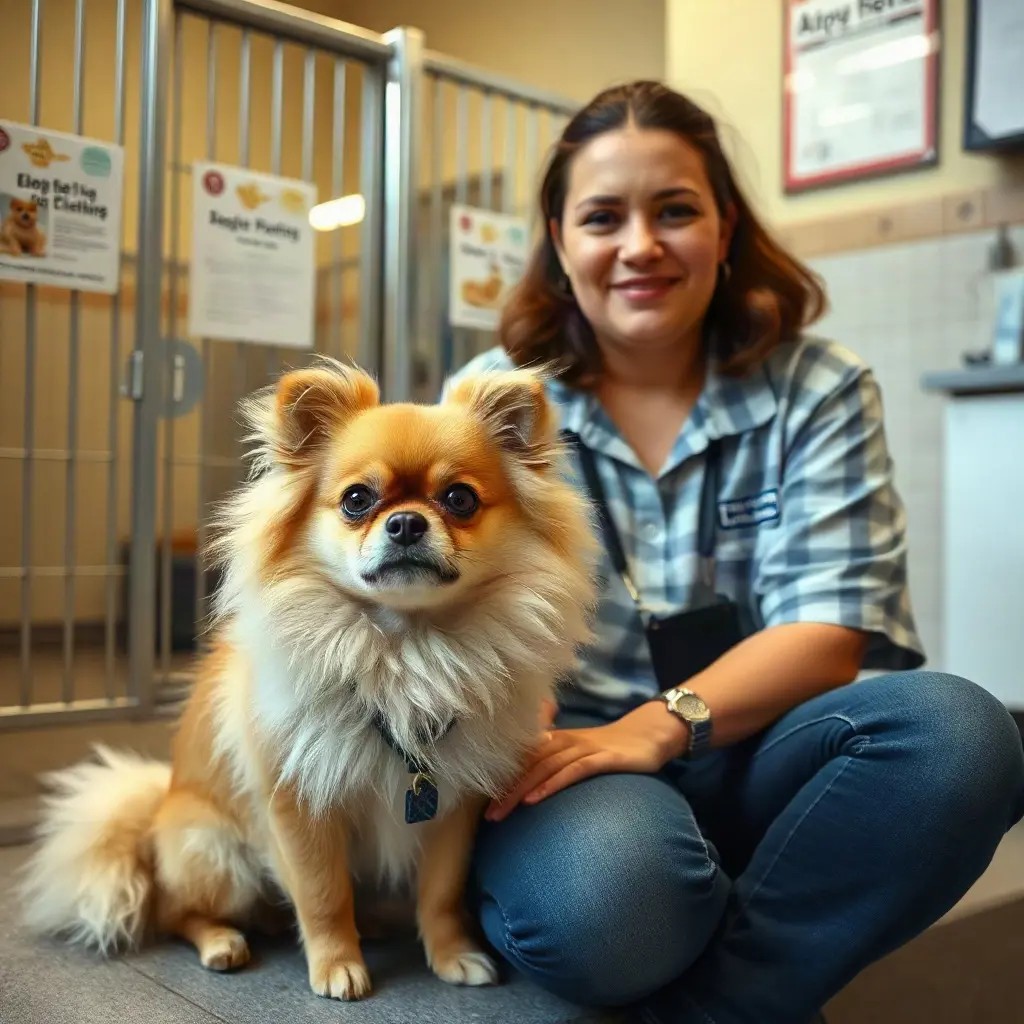
Nonprofit status can provide accountability, although it does not by itself prove responsible practice. A reputable rescue should be willing to identify its legal structure and explain how adoption fees support animal care. Warning signs include pressure to send money before meeting the dog, refusal to provide veterinary records, inconsistent stories about the animal's origin or unwillingness to accept a returned dog under stated policy. Transparency is more important than polished photographs or frequent social-media updates.
Health and temperament checks for Pomeranians
Before adoption, records should be reviewed for vaccinations, parasite treatment, microchipping, spay or neuter status and prior veterinary findings. Adoption fees often help cover these services, along with food, boarding and transport. 3 4 The receiving household should still arrange a veterinary examination after placement because rescue records may be incomplete and a shelter examination is not a guarantee of lifelong health.
Pomeranians can require regular brushing, dental care and attention to fragile bones and small-airway or knee problems. Temperament questions should cover barking, separation behavior, handling, children, cats, other dogs and tolerance of grooming. Puppies may need more frequent veterinary visits and gradual socialization, while older dogs may arrive with established habits or chronic-care needs. A careful match considers the dog's history and the household's daily routine together.
Typical adoption fees and continuing costs
Published 2026 cost guides place municipal shelter or pound fees around $25 to $150, general rescue fees around $75 to $500 and breed-specific rescue fees around $150 to $600. 1 A broader shelter sample reports fees from $30 to $600 for puppies, $25 to $500 for adults and $0 to $500 for seniors, showing how age and location affect the amount. 2
| Adoption route | Typical published range | Common considerations |
|---|---|---|
| Municipal shelter or pound | $25 to $150 | Age, local policy and included veterinary services |
| General rescue organization | $75 to $500 | Foster care, transport and medical preparation |
| Breed-specific rescue | $150 to $600 | Breed-focused intake, veterinary work and foster support |
Adoption fees are only the initial expense. A 2026 estimate places total initial dog costs, including adoption, supplies and early care, at approximately $670 to $2,320, although the amount depends on what the organization has already covered. 7 Ongoing costs include food, grooming, routine veterinary visits, dental care, training and treatment for unexpected illness. Small size does not eliminate the need for a long-term care budget.
Common challenges when adopting a small breed
Pomeranian puppies may be less common in rescue than adult dogs because breed-specific supply changes with owner surrenders, shelter transfers and foster capacity. A listing that appears in one state may not represent ongoing local availability. Waiting, widening the geographic search and considering an adult Pomeranian or Pomeranian mix can provide a more realistic view of the options without assuming that a puppy will be available.
Small dogs can face risks when handled roughly, allowed near larger unsupervised dogs or exposed to household hazards. Their coats require routine maintenance, and some individuals are vocal, wary of strangers or uncomfortable with extended periods alone. Adoption decisions should therefore weigh temperament, medical records, home structure, travel requirements and the full cost of care. A thorough rescue process may take longer, but it provides useful information for a safer match.
Sources
- Adoption Cost Calculator: Year One Pet Budget (2026 Guide) | PawCalculator: https://www.pawcalculator.com/insights/adoption-cost-calculator-year-one-budget
- Dog Adoption Fees — What 18 US Shelters Actually Charge (2026) | Pawdget: https://pawdget.com/guides/dog-adoption-fees/
- How Much Does It Cost to Adopt a Dog from a Shelter?: https://www.chewy.com/education/dog/pet-parenting/pet-parenting-pet-lovers-dog-adoption-fees-explained
- How much are the adoption fees?: https://www.animalleague.org/faq-items/much-adoption-fees/
- How to Find a Breed-Specific Dog Rescue Group in 5 Vet- ...: https://www.dogster.com/lifestyle/how-to-find-a-breed-specific-dog-rescue/
- 9 Top Dog Rescue Organizations to Check Out Today — Dogster: https://www.dogster.com/lifestyle/top-dog-rescue-organizations/
- How Much Does It Cost to Adopt a Dog? 2026 Update — Dogster: https://www.dogster.com/lifestyle/how-much-does-it-cost-to-adopt-a-dog/