5-Night Scottish Highlands Rail Journey: A Guide to Scenic Travel
A 5-night rail journey through the Scottish Highlands offers travelers a way to navigate one of the most rugged and scenic landscapes in the United Kingdom by train. This type of travel involves traversing historic viaducts, coastal paths, and deep glens while moving between major transit hubs and remote stations. Planning a journey of this duration requires coordination between regional rail networks and an understanding of the geographic layout of the Highlands.
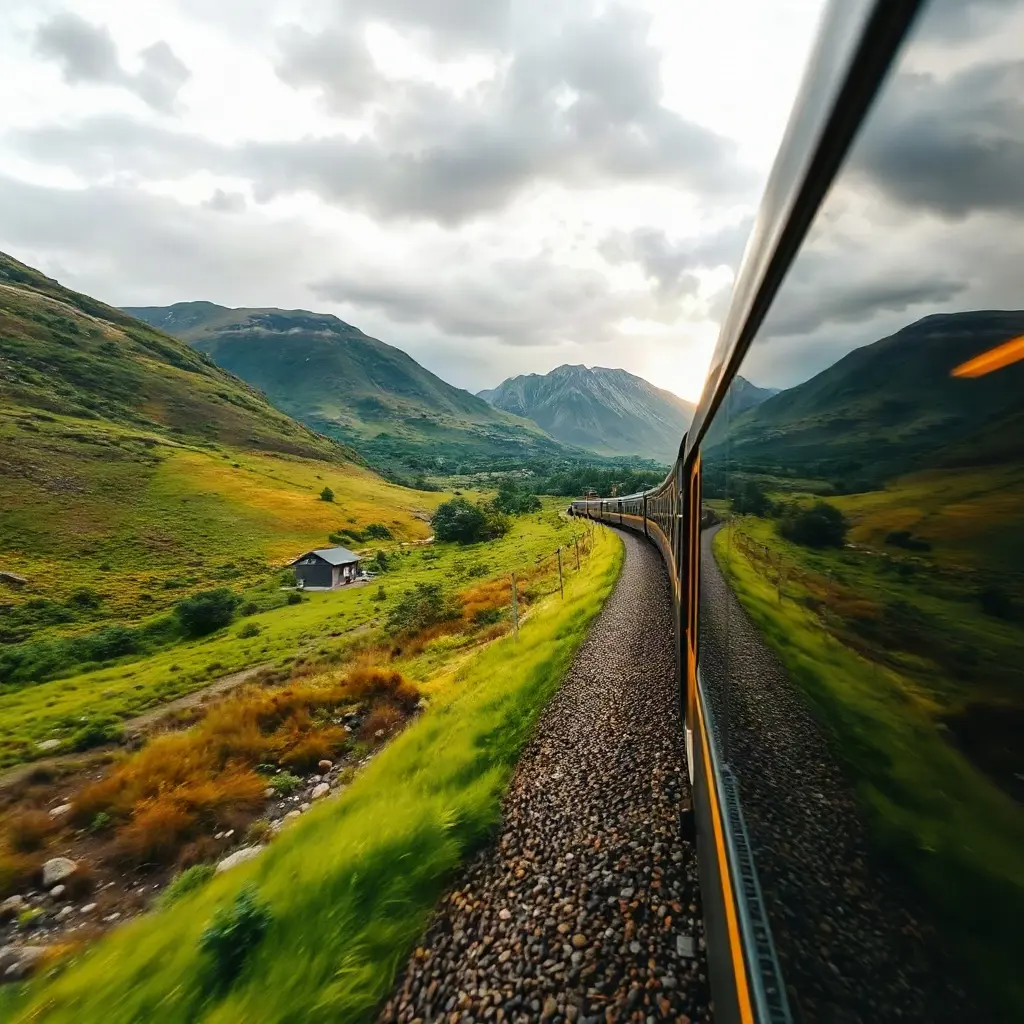
Routes and Connectivity in the Highlands
The rail network in the Highlands is defined by its dramatic topography, which dictates the layout of the tracks. Most journeys originate from cities such as Glasgow or Edinburgh, which serve as the primary gateways. From these hubs, rail lines extend northward and westward, winding through mountain passes and around expansive lochs.
Key routes often include the West Highland Line, which is frequently cited for its views of Ben Nevis and the distant islands, and the Far North Line, which reaches the northernmost parts of the mainland. Because the network is largely single-tracked in remote areas, travelers should expect a slower pace of travel compared to high-speed rail lines found elsewhere in Europe. Coordination of schedules is essential, as some remote stations see limited daily service.
Typical Logistics for Multi-Day Rail Trips
A 5-night itinerary typically involves segmenting the journey into distinct stages. Travelers often choose to stay in different towns each night or base themselves in larger hubs for two or three nights at a time. Common stopovers include Fort William, Mallaig, Oban, and Inverness, each offering access to specific regional attractions or ferry connections.
- Fort William serves as a base for access to the base of Ben Nevis and the Jacobite steam locomotive route.
- Mallaig is a coastal terminus known for its ferry links to the Inner Hebrides.
- Oban acts as a gateway to the islands of the west and is a frequent rail-to-ferry transit point.
- Inverness is the northern administrative center and provides connectivity to the eastern Highlands and the Moray Firth.
Rail Infrastructure and Comfort Standards
The rolling stock used on Highland routes varies by operator and line. While some trains offer modern, comfortable seating and panoramic windows designed for sightseeing, others are standard commuter carriages. Because of the nature of the terrain, there is limited space for luggage on many of these trains, which is a factor to consider when planning a multi-day trip. Most services are equipped with basic amenities, though food and beverage options may be limited or absent on some regional legs.
It is worth noting that rail travel in this region is susceptible to weather-related delays. Heavy rain, wind, and even occasional snow can impact infrastructure, leading to speed restrictions or temporary service suspensions. Experienced travelers generally build flexibility into their schedules to account for these environmental factors.
Factors Influencing Travel Costs
The cost of a 5-night rail journey in the Scottish Highlands is driven by the class of service, the flexibility of the tickets, and the seasonality of travel. Base fare prices for a multi-day circuit can range significantly, typically starting from approximately 150 GBP to 400 GBP for standard rail passes or flexible multi-leg ticketing. These prices fluctuate based on how far in advance they are secured and whether the traveler opts for unlimited travel passes versus point-to-point ticketing.
Beyond the rail fares themselves, the overall expense of the 5-night stay depends heavily on local accommodation costs in the Highlands. During the summer months and peak tourist periods, such as during the Edinburgh Festival or school holidays, lodging prices increase across the board. Travelers often find that staying in smaller villages provides different price points compared to staying in major tourist centers.
Seasonal Variations and Timing
The timing of a rail trip to the Highlands significantly changes the experience. Summer provides the longest daylight hours, allowing for more time to observe the landscape, but it is also the period with the highest density of travelers and peak accommodation prices. Spring and autumn are considered by many to be favorable times for rail travel, as the landscape shifts in color and the volume of people on the trains is generally lower.
Winter rail travel offers a different perspective of the Highlands, often shrouded in mist or covered in snow. However, the shorter daylight hours mean that the scenery becomes obscured by darkness earlier in the evening. Additionally, some peripheral services or tourist-focused excursions may be reduced or limited during the winter months.
Important Considerations for Planning
When organizing a 5-night trip, it is helpful to look into the specific rules regarding luggage capacity, as storage space is often at a premium on smaller trains. Many travelers find that lighter, modular luggage is more manageable when transitioning between stations and connecting to local buses or ferries. It is also beneficial to verify the local transit options available at each stop, as not all stations are located directly in the center of the town or near the desired accommodation.
Another detail to manage is the connectivity between different transport modes. In many parts of the Highlands, the train is only part of the journey. Once a traveler reaches a station, they may need to rely on local bus networks or taxis to reach their final destination for the evening. Planning these connections in advance can prevent issues with scheduling, particularly in rural areas where public transport frequency drops significantly after sunset.