Rhine Christmas Markets River Cruise from the UK: What to Know
A Rhine Christmas markets river cruise offers a seasonal perspective on European travel, connecting travelers from the UK to historic cities along one of the continent's most significant waterways. These cruises are typically scheduled during the advent season, running from late November through late December, when river towns and major cities prepare for holiday celebrations. Understanding the nuances of these voyages involves considering the itinerary, the onboard amenities, and the logistics of departing from the United Kingdom.
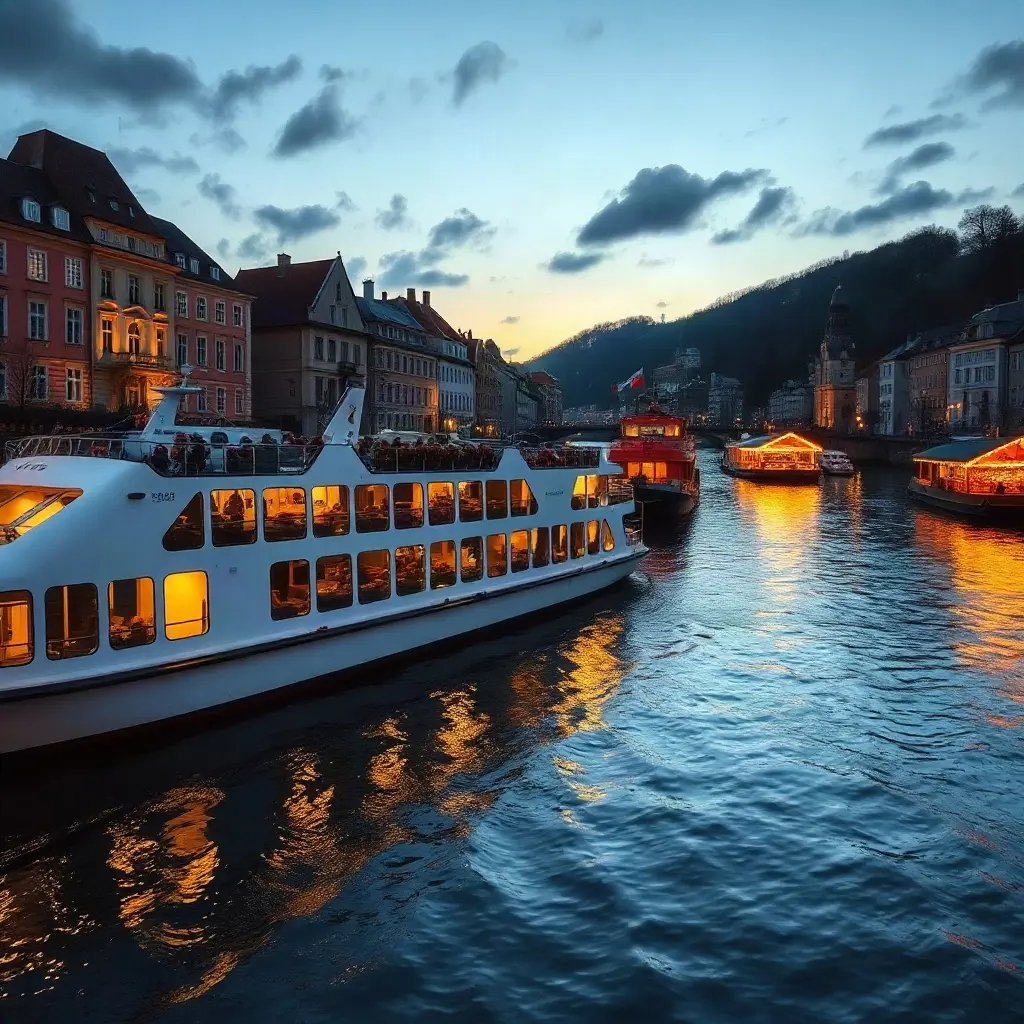
The Typical Geography of Rhine River Cruises
The Rhine flows through several countries, including Switzerland, France, Germany, and the Netherlands. Most cruises focusing on Christmas markets center their itineraries on the German stretch of the river, as this region is particularly well-known for its long-standing market traditions. Cities like Cologne, Mainz, and Koblenz serve as major ports of call, offering access to large-scale, centuries-old markets.
While some voyages start in the Netherlands, such as in Amsterdam, others may travel south toward Basel in Switzerland. The duration of these cruises generally ranges from five to eight days, allowing sufficient time to dock at several key locations. Travelers often find that the river's path dictates the flow of the trip, with most ships moving steadily downstream or upstream to maximize the number of stops in historic town centers.
Departing from the United Kingdom
Cruises that market themselves as departing from the UK usually offer a few distinct travel configurations. Some companies arrange for coach transport or rail travel via the Channel Tunnel to reach a port in France or Belgium, where the river vessel is docked. This is a common method for those who prefer to avoid flying.
Alternatively, many travelers fly from major UK hubs like London Heathrow, Manchester, or Edinburgh to an airport near their starting river port. Once at the destination airport, transfers to the vessel are usually coordinated by the cruise operator. The inclusion of these travel arrangements varies by provider, so it is important to observe whether a package includes transportation from the UK or if it requires independent travel arrangements to the ship's point of embarkation.
Expected Weather and Seasonal Logistics
Winter travel along the Rhine brings cold temperatures, often hovering between 0 and 7 degrees Celsius. Because these cruises operate during late autumn and early winter, travelers should prepare for damp, brisk conditions, particularly while walking through outdoor market squares. Fog can occasionally affect river traffic, leading to slight adjustments in sailing schedules, although vessel operators are experienced in managing these variations.
The markets themselves are almost entirely outdoors. Proper attire, including waterproof footwear, warm coats, and layering, is necessary for comfort. While the river itself remains the primary transit route, the focus is heavily on shore excursions. Ships are climate-controlled and provide a warm environment to return to after spending time in the evening air of the town squares.
Types of Markets and Onboard Experiences
The markets along the Rhine are known for their diversity, ranging from large urban setups in front of famous cathedrals to intimate town markets. Visitors typically encounter local crafts, regional foods, and holiday decorations. Onboard, the cruise experience is designed to mirror the festive atmosphere of the season, often featuring regional cuisine, holiday-themed decor, and informational talks about local customs.
Ships vary in size and style, ranging from smaller, intimate vessels to larger, more modern ships with multiple decks. Common features found across most river cruise lines include panoramic lounges, dining rooms serving regional dishes, and sun decks that offer views of the passing landscape. Depending on the cruise line, some offer guided walking tours of the Christmas markets, while others provide a more independent experience where passengers can explore at their own pace.
Budgeting and Cost Drivers
The total cost for a Rhine Christmas market river cruise typically ranges from approximately £900 to over £3,000 per person. This variation is driven by several factors, including the length of the cruise, the cabin category, the time of the season, and whether the fare includes flights and transfers from the UK.
Booking closer to the holiday dates in late December can sometimes alter pricing structures, as demand for these sailings is consistent. Cabins on lower decks or those with limited window views are generally at the lower end of the cost spectrum, whereas suites or cabins with French balconies are typically at the higher end. Travelers should also account for additional expenses, such as gratuities, optional excursions, and personal shopping at the markets, as these are not always bundled into the initial cruise fare.
Essential Planning Considerations
When selecting a voyage, it is beneficial to look at the specific ports of call. Some cruises focus on smaller, medieval villages that offer a more quiet, historic atmosphere, while others emphasize major cities with expansive, multi-zone markets. Reviewing the itinerary map helps in understanding the pacing of the trip and how much time will be spent in each location.
Documentation requirements, such as passports and any necessary travel authorizations for the European countries visited, are essential for UK citizens. Since the itinerary may cross borders between different countries, checking local entry requirements for each stop is standard practice. Planning ahead ensures that the trip remains focused on the seasonal experience rather than the logistics of international travel.