Repossessed houses in Greater Brisbane: listings and prices 2026
Repossessed houses in Greater Brisbane are properties being sold after a borrower has fallen behind on a secured loan and the lender has taken possession, or after another enforcement process has affected the ownership or sale. In 2026, these homes may appear in ordinary real estate advertising, at public auctions or through legal sale procedures, but the label does not always appear clearly in a listing.
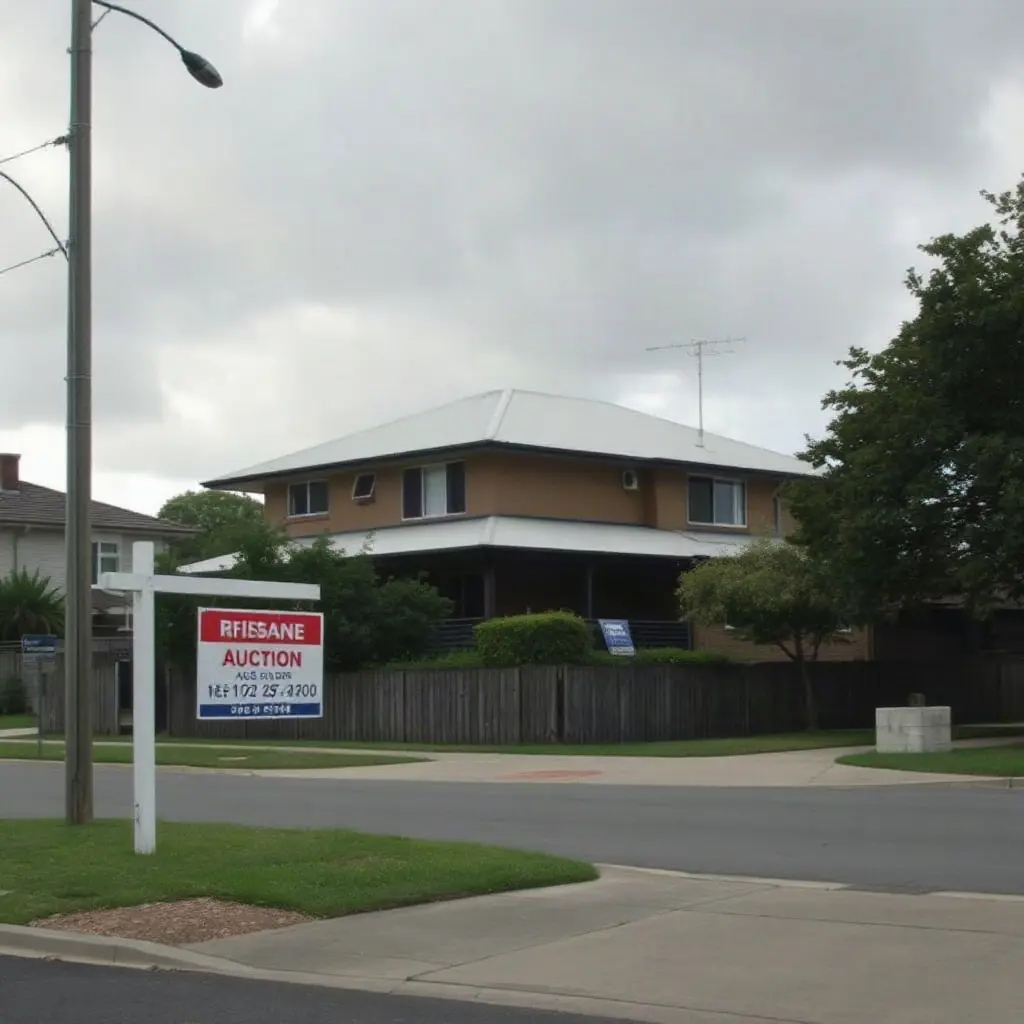
What “repossessed” means in Greater Brisbane
In Queensland, a house is not normally taken and sold immediately after one missed repayment. The enforcement process generally involves arrears notices, communication with the borrower and formal legal steps. If the debt remains unresolved, the secured party may take possession and sell the property as a mortgagee in possession. The exact procedure depends on the loan documents, court involvement and the circumstances of the owner.
The term is also used loosely in property advertising. Some listings described as repossessed are genuine mortgagee sales, while others are ordinary homes being sold by owners who are under financial pressure. A court-ordered sale, deceased-estate sale or property sold by a liquidator may have different legal characteristics. These distinctions matter because the seller's authority, settlement arrangements and available information can vary.
Where 2026 listings are usually published
There is no single public register containing every repossessed house in Greater Brisbane. Listings can be distributed across mainstream property portals, local agent websites, auction notices and legal advertisements. Some appear under phrases such as “mortgagee in possession”, “mortgagee sale”, “under instructions” or “forced sale”, while others use ordinary descriptions without drawing attention to the previous ownership situation.
Greater Brisbane covers a wide metropolitan area, so the source of a listing may depend on the council region. Properties can be found in Brisbane City suburbs, the Moreton Bay area, Ipswich, Logan and Redland, although the number and type of listings change over time. An advertised property may also be withdrawn, passed in at auction or sold before a later public notice is updated, meaning an old listing does not necessarily represent current availability.
How mortgagee auctions differ from private sales
Auctions are a common method for selling repossessed houses because they provide a public process and a defined date for offers. The property is usually offered under auction conditions, with the contract and settlement terms set before bidding begins. If the reserve is not reached, the property may be passed in and later negotiated privately, or it may be listed again at another time.
A private treaty sale allows offers to be negotiated without a public bidding event. The contract may still contain strict conditions, and the seller may have limited knowledge of the property's history. In either format, the sale is generally conducted on an “as is” basis to a greater extent than a normal owner-occupier sale. This means the contract, disclosure material and independent inspections carry particular importance.
Why the sale method affects the final price
An auction price reflects competition on one day, while a private sale can involve longer negotiations and changing expectations. A property with vacant possession, clear access and good presentation may attract a broader group of buyers than a damaged or occupied house. The result can therefore be above, near or below nearby market evidence. Repossession itself does not create a standard percentage reduction.
Typical Greater Brisbane price ranges in 2026
Prices vary sharply across Greater Brisbane, and a repossessed property is not automatically priced below comparable homes. As a broad guide for 2026, smaller units and older apartments in outer or less central areas may commonly be advertised from approximately AUD 300,000 to AUD 650,000. Larger units, townhouses and homes in established middle-ring suburbs may often fall around AUD 600,000 to AUD 1.2 million, depending on land, condition and location.
Detached houses in outer metropolitan areas may typically range from approximately AUD 550,000 to AUD 950,000, while homes closer to established employment areas, major transport routes or sought-after riverside and bayside locations can extend from about AUD 900,000 to more than AUD 1.8 million. These are broad market ranges rather than quoted prices for particular listings. Land size, flood exposure, building condition, zoning, school catchment, renovation requirements and auction competition can all move the figure substantially.
The total cost is higher than the advertised price alone. Queensland transfer duty may apply depending on the circumstances of the transaction, along with conveyancing or legal fees, building and pest reports, insurance, council charges and adjustments at settlement. Renovation costs can be especially uncertain where a property has been vacant, damaged or poorly maintained.
Condition, access and occupancy issues
Repossessed houses may be vacant, occupied by former owners or tenants, or affected by abandoned belongings. Access for inspections can therefore be more restricted than with a standard sale. A listing may provide photographs without showing concealed defects, and a quick visual inspection may not reveal moisture damage, termite activity, electrical problems, illegal alterations or structural movement.
Some properties have been neglected because maintenance stopped during financial difficulty. Others are physically sound but have unusual legal or practical complications. Occupancy can affect possession after settlement, while abandoned goods, damaged locks or missing fixtures can create additional work. The contract should explain what is included and the process for obtaining possession, but legal advice is important when the situation is unclear.
- Building age and renovation history can influence hidden repair costs.
- Flood, bushfire and storm exposure may affect insurance availability and premiums.
- Units and townhouses can carry body corporate levies and special levies.
- Unapproved structures may require investigation with the relevant council.
Legal documents and Queensland property records
The contract of sale is central to understanding a mortgagee listing. It can identify the seller, settlement period, inclusions, conditions and any restrictions on the seller's responsibility. A title search can show registered interests, easements, covenants and other dealings affecting the land. In Queensland, conveyancers and solicitors commonly use title and council records to investigate these matters.
Mortgagee sales can involve limited warranties about the property's condition, and the seller may not be able to answer questions about past repairs or alterations. Planning information, rates notices, body corporate records and building approvals may need separate investigation. A buyer who relies only on the advertising copy may miss a restriction, levy or repair issue that changes the practical value of the property.
Financial planning and requirements for a 2026 sale
Auction conditions often require a contract to be accepted without the usual flexibility for extended investigations after the winning bid. Before participating, a person normally needs a clear understanding of the maximum price that fits their funds and other transaction costs. A pre-arranged borrowing capacity assessment may help with planning, but it is not the same as unconditional approval for a particular property.
Time limits can also be significant. Settlement periods differ between contracts, and delays may create legal or daily occupation costs. The amount required at settlement depends on the contract, available funds, government charges and the condition of any existing tenancy. These details should be discussed with an independent conveyancer, solicitor and qualified financial professional rather than inferred from a short listing description.
Risks that deserve particular attention
The central risk is assuming that repossession means a guaranteed reduction. Market demand, location and land value can still produce strong competition. Another risk is underestimating repairs, especially where a property is sold without extensive seller disclosures. A low advertised figure may reflect a guide, an auction strategy or a property needing significant work rather than its likely final cost.
There can also be title, tenancy and access complications. A contract may contain unusual clauses, and a property may not be available for occupation immediately after settlement. Independent legal and building advice helps explain what the documents and inspection results mean. Comparing several recent sales in the same suburb and of similar size is generally more useful than relying on the repossessed label alone.