Walk-In Showers and Grab Rails: Bathroom Safety Upgrades in 2026
Modifying a bathroom for improved accessibility is a common project aimed at increasing independence and safety within the home. As mobility needs change, the bathroom often becomes the primary area for renovation due to the combination of slippery surfaces, confined spaces, and the physical requirements of stepping into traditional tubs. Walk-in showers and strategically placed grab rails represent two of the most significant upgrades for creating a safer, more navigable environment.
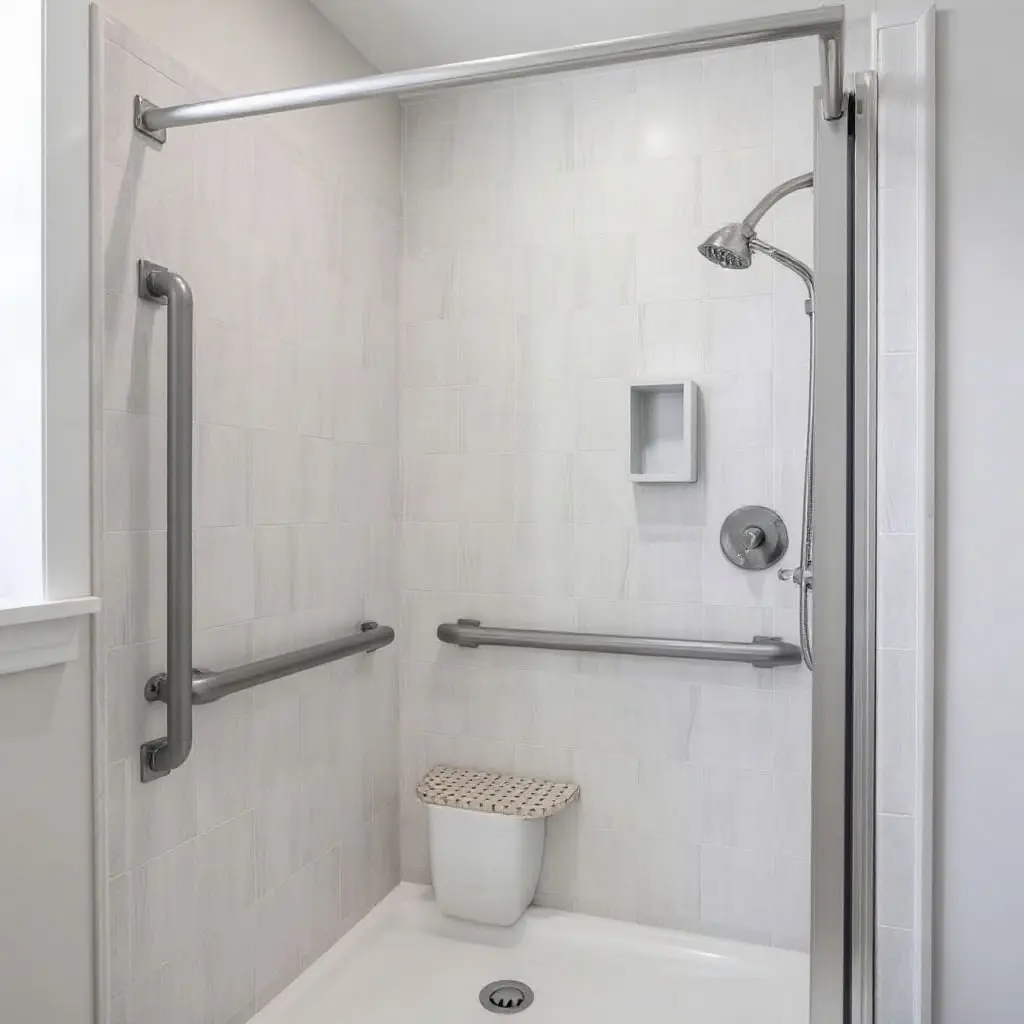
Design Principles for Walk-In Showers
A walk-in shower is typically defined by a low or zero-threshold entry, which removes the need for a user to step over a high tub wall. This design promotes a smoother transition into the bathing area, reducing the risk of tripping. In modern configurations, these showers are often designed as open-plan spaces, sometimes referred to as wet rooms, where the flooring is continuous throughout the bathroom, sloping gently toward a central floor drain.
When planning for this type of installation, the internal space must accommodate movement, especially if a shower chair or mobility aid is involved. The layout usually incorporates non-slip tiling or textured flooring materials to maintain traction. Glass partitions are frequently used to contain water spray while keeping the area visually open, though these require careful selection to ensure the tempered glass meets safety standards for high-impact resistance.
Functional Requirements for Grab Rails
Grab rails are essential safety features that provide stability and support in areas where balance is required. Their effectiveness depends heavily on placement and installation strength. Standard practice involves anchoring rails directly into structural studs behind the wall finish, as drywall alone cannot support a person's weight. In cases where studs are not optimally positioned, reinforced backing boards are often installed before tiling to allow for secure mounting anywhere on the wall surface.
The orientation and shape of grab rails vary based on the intended use. Horizontal rails are commonly placed near the toilet for assistance during sitting and standing, while vertical or angled rails are frequently used near the shower entry to provide a steadying grip while stepping over the threshold. The diameter of the bar is also a factor; a standard grip typically measures between 1.25 and 1.5 inches in thickness to ensure it can be firmly grasped by the hand.
Materials and Durability Considerations
Selecting materials for a bathroom environment involves balancing durability, hygiene, and maintenance. Stainless steel is a popular choice for both grab rails and shower fittings due to its resistance to moisture and rust. Many modern rails feature a brushed or textured finish to provide a better grip, particularly when wet. Some versions also come with integrated antimicrobial coatings to assist in keeping surfaces sanitary over time.
For the shower area itself, high-density polyethylene or stone resin shower trays are common. These materials are chosen for their structural integrity and ability to be cut to size or installed at a flush level with the floor. Regardless of the material, the finish should be rated for slip resistance, often indicated by an R-rating system, where higher numbers correspond to greater friction and safety on wet surfaces.
Economic Factors and Typical Cost Ranges
The cost of upgrading to a walk-in shower and installing safety rails varies depending on the scope of the project and the existing bathroom layout. In general, professional installations for a complete walk-in shower transformation typically range from 3,000 USD to 8,000 USD, though complex plumbing or structural modifications can shift this significantly higher. This price encompasses the removal of existing tubs, waterproofing, installation of new drainage, and tiling work.
Grab rails are considerably more affordable, with individual units typically costing between 30 USD and 150 USD depending on the material and length. The primary cost driver for these items is the labor required for proper, secure mounting. When added as a standalone project, the expense is mostly tied to the expertise of the installer who ensures that the structural integrity of the bathroom wall is maintained during the mounting process.
Common Challenges During Installation
The transition from a traditional bathtub to a walk-in shower often reveals hidden issues, such as old plumbing or water damage in the wall cavities. Because walk-in showers require precise floor sloping to ensure water moves toward the drain, the subfloor may need adjustment. This is particularly common in older homes where joists may be uneven or where moving a drain location involves cutting into the existing floor structure.
Another common hurdle involves existing electrical or venting systems that may need to be rerouted to accommodate a new shower footprint. Ensuring that the bathroom maintains adequate ventilation is crucial to prevent the buildup of humidity, which can lead to mold and damage to nearby fixtures. Professional builders often assess the ventilation capacity early in the project to determine if an upgraded exhaust fan is necessary to support the new, more open shower environment.
Maintenance and Long-Term Safety
Ensuring the continued safety of a modified bathroom requires routine checks and cleaning. Grab rails should be inspected periodically to ensure there is no wobbling or loosening at the wall connection points. If any movement is detected, the screws should be tightened or the anchoring method re-evaluated by a professional to ensure that the hardware remains fully secure for daily support.
For the shower area, keeping the surface free of soap scum and calcium buildup is vital for maintaining the slip-resistant properties of the floor tiles or shower tray. Using mild, non-abrasive cleaners helps preserve the integrity of the finish on both the rails and the floor. By keeping the drainage system clear of hair and debris, users can ensure that the water effectively clears the shower area, preventing pooled water that could compromise footing and increase the risk of accidental slips.