Military Surplus ATVs: What to Check Before Bidding
Military surplus ATVs represent a unique category of off-road equipment, often retired from active duty or logistical support roles by various defense agencies. These vehicles are generally built to stringent specifications for durability and field repairability, but they arrive on the secondary market in widely varying conditions. Understanding the lifecycle and typical mechanical state of these machines is essential for anyone evaluating them for potential acquisition or restoration projects.
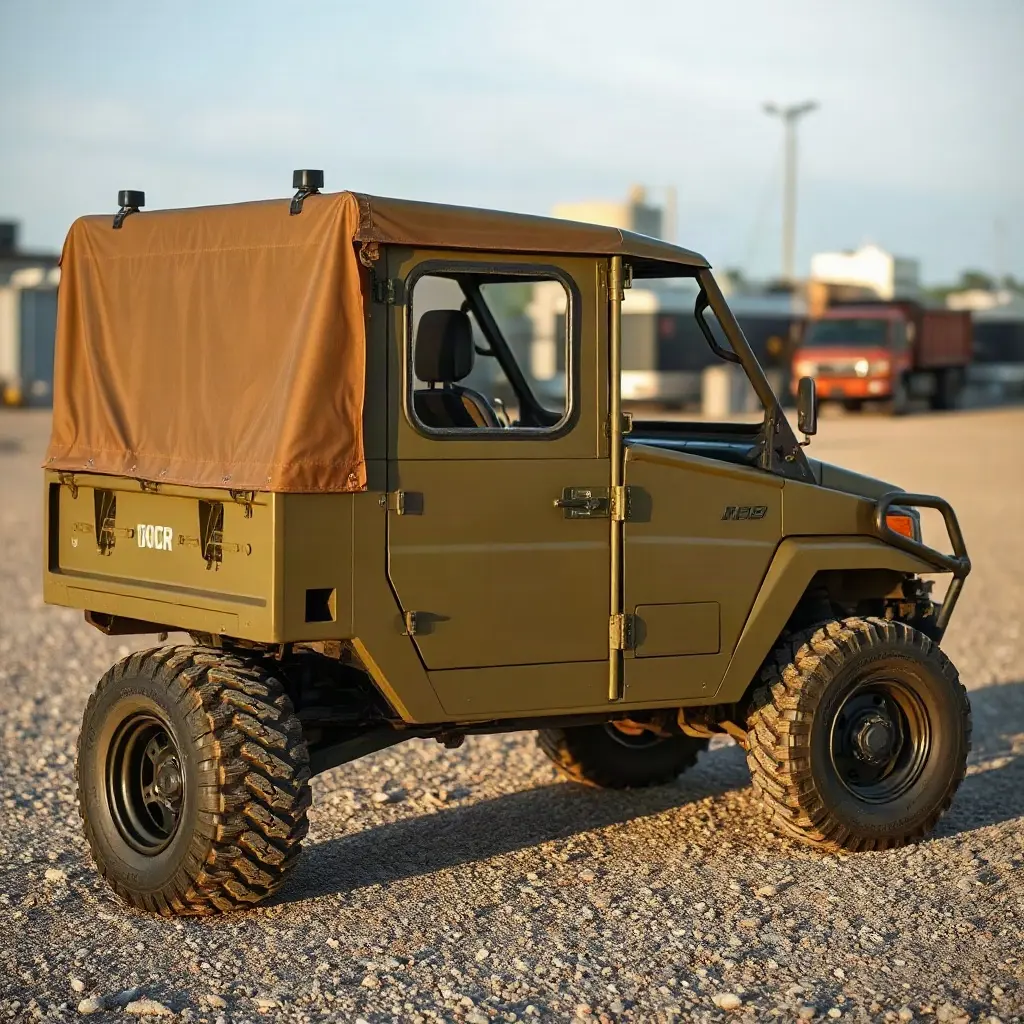
Understanding the Lifecycle and Maintenance History
Most military surplus vehicles enter the market after having reached the end of their service life cycle or following a modernization program within the fleet. Because these units are frequently utilized in training exercises or base transport, they may have logged significant operational hours, often in environments ranging from desert sands to mud-filled training courses. Unlike consumer-grade ATVs, military models often have meticulous service logs, though these records do not always accompany the machine through the auction process.
When assessing a surplus ATV, the primary concern is the nature of its duty. Units used for base security or logistics often face less structural strain than those used for field reconnaissance or driver training. Inspecting the hour meter or odometer is the first step, but it is equally important to examine the chassis for signs of heavy impact or frame distortion, which can indicate a history of rough terrain handling that exceeds the manufacturer's recommended duty cycle.
Evaluating Powertrain and Engine Condition
The powertrain of a military surplus ATV is typically designed for reliability rather than high-performance speed. Engines in these vehicles are often detuned or restricted to ensure longevity under sustained stress. During an inspection, the primary focus should be on fluid levels, evidence of leaks around the engine block, and the state of the transmission system. If a vehicle has sat idle for an extended period, internal seals may have dried, leading to immediate leaks upon restarting the engine.
Compression tests are standard practice for those familiar with mechanical diagnostics, as they provide a snapshot of engine health without requiring a teardown. Additionally, checking the air intake and cooling systems for residual debris is crucial. Military vehicles often operate in dusty environments, and failure to properly clean the air filtration system can result in accelerated internal engine wear. Replacement parts for these specialized military configurations can sometimes be harder to source than those for civilian variants, so confirm the availability of service kits for the specific powertrain model.
Electrical Systems and Wiring Integrity
Military electronics differ significantly from civilian counterparts, often utilizing ruggedized, waterproof connectors and high-capacity electrical systems to support secondary equipment like radios or specialized lighting. When inspecting a surplus ATV, examine the wiring loom for any signs of fraying, corrosion, or amateur modifications. Any evidence of "field repairs," such as improperly spliced wires or electrical tape solutions, should be flagged, as these can lead to short circuits or complete electrical failure.
Consider the battery compartment and the state of the charging system. Many surplus ATVs utilize military-standard batteries that may have different voltage or terminal configurations than standard civilian automotive batteries. If the unit is sold without a battery, determine whether the electrical system has been converted to accept standard 12-volt aftermarket options or if it requires specialized equipment to remain operational. Replacing a proprietary electrical component can often represent a significant portion of the total cost of ownership.
Chassis Integrity and Suspension Wear
The suspension systems on military ATVs are engineered to handle heavier payloads than standard recreational models. This often means stiffer springs and heavy-duty shocks. During an evaluation, look for signs of sagging, leaking hydraulic fluid from the shocks, and worn bushings. Suspension components are subjected to extreme forces in military environments, and identifying structural fatigue in the control arms or mounting points is vital for long-term safety.
Inspect the tires and wheel assemblies, as these are frequently the first items to show signs of neglect. Military tires are often of a different compound or tread pattern intended for specific terrain types. While functional, they might not be optimized for the specific use case intended by a new owner. Verify the condition of the wheel bearings by checking for play in the wheels, as failure here is common in machines that have seen high-mileage use across varied, rugged surfaces.
Logistical Considerations for Transport and Registration
Acquiring a vehicle from a government auction facility involves logistical steps beyond the bid itself. Surplus items are typically sold as-is, and the responsibility for removal and transport lies entirely with the winning bidder. These vehicles are often located in remote storage facilities or large depots, meaning transport costs can fluctuate based on distance and the need for specialized equipment such as a flatbed trailer or a winch-equipped truck.
Registration and legality for road use vary significantly by region. Many military ATVs are not manufactured with the safety features required for street-legal status, such as mirrors, turn signals, or specific emission certifications. Before considering a bid, it is necessary to research local laws regarding off-highway vehicle (OHV) registration. Some jurisdictions allow for specific modifications to bring a vehicle up to street-legal standards, while others strictly limit such machinery to private property or designated trail systems.
Financial Factors and Maintenance Investment
The financial aspect of acquiring military surplus equipment is rarely limited to the final bid price. The total investment must account for logistics, potential repair parts, and the time required to bring a machine up to a functional standard. Prices for surplus units generally range from as low as a few hundred dollars for non-running 'parts' machines up to several thousand for well-maintained, operational units, depending on the model, age, and auction demand.
Prospective owners should factor in the cost of a full fluid flush, potential tire replacements, and any necessary electrical harness overhauls. Since these vehicles may lack traditional warranties or service networks, having a dedicated budget for 'hidden' issues is prudent. Ultimately, the value proposition depends on the user's mechanical proficiency and their access to tools, as professional repair costs can quickly eclipse the initial savings achieved at auction.