Epoxy Garage Floor Coating: Costs and Finishes in 2026
Epoxy garage floor coating serves as a common method for protecting concrete surfaces from stains, moisture, and general wear. By applying a resinous material that bonds to the concrete, the floor gains a durable, seamless finish that is easier to clean and resistant to automotive fluids. Understanding the different types of applications and the variables that impact overall project expenses is essential for anyone evaluating this home improvement project.
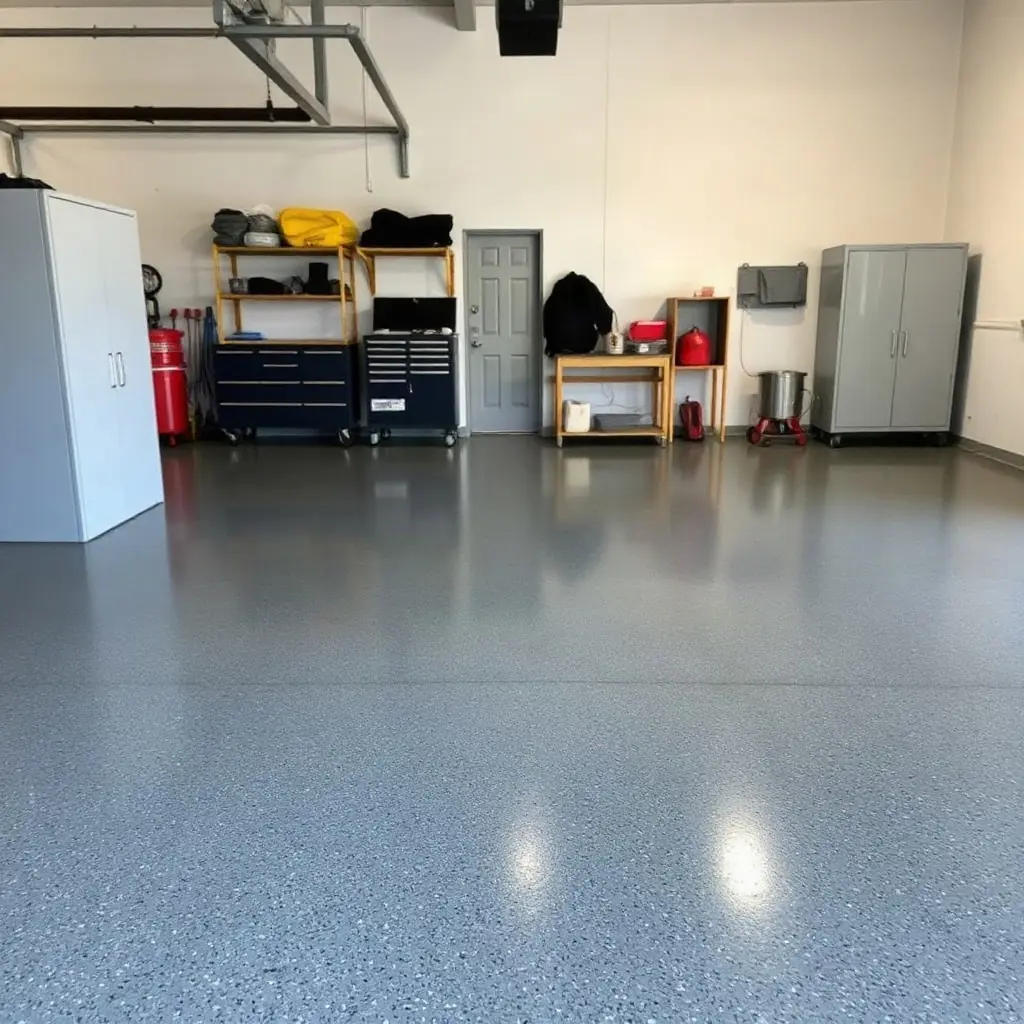
Core Differences Between Epoxy Systems
Garage floor coatings generally fall into two main categories: water-based epoxy and solvent-based epoxy. Water-based options are typically thinner, which allows them to penetrate deeper into the concrete pores for better adhesion, though they often require multiple coats to achieve a desired thickness. These are often easier for those without specialized equipment to apply, though they may lack the high-gloss shine found in other types.
Solvent-based epoxies are known for their high solid content, providing a thicker, more durable layer that hides imperfections in the concrete substrate. Because these products often contain volatile organic compounds, they usually require more ventilation during the curing process. Professionals frequently favor 100% solid epoxies for industrial-grade applications, as these provide the maximum level of abrasion and chemical resistance for high-traffic environments.
Available Finishes and Aesthetic Options
The visual outcome of a garage floor project depends heavily on the additives mixed into the epoxy or broadcasted over the wet surface. Standard solid-color epoxy provides a uniform, glossy look that reflects light well, helping to brighten dim garage spaces. This is a functional choice that emphasizes cleanliness and simplicity.
Decorative finishes are achieved through several common methods:
- Flake systems: Colored vinyl chips are broadcasted into the base coat, adding texture, depth, and a camouflage effect that hides dust or small surface flaws.
- Quartz systems: Fine quartz granules are embedded into the resin, creating a slip-resistant surface with a highly decorative, granite-like appearance.
- Metallic finishes: Specialized metallic pigments are mixed into the epoxy to create swirling, marble-like patterns that vary depending on the application technique used.
Typical Cost Factors in 2026
Estimating the expense of an epoxy project involves several variables, including square footage, concrete condition, and labor requirements. In 2026, professional installation typically ranges from $3 to $12 per square foot, depending on the complexity of the finish and the amount of preparation needed. Small, simple garage spaces often lean toward the lower end of this range, while multi-car garages with extensive decorative flake or metallic coatings require more materials and time.
Material quality significantly impacts the final cost. High-solid epoxies and specialized topcoats, which are necessary for long-term UV stability and scratch resistance, command higher prices than basic kits found in general hardware stores. Furthermore, the cost of supplies like grinders, diamond segments for surface preparation, and cleaning agents for degreasing concrete adds to the total investment, especially when handled as a professional service.
The Role of Surface Preparation
Regardless of the chosen finish, the longevity of an epoxy coating relies entirely on how well the concrete is prepared. Concrete must be clean, dry, and free of oil, grease, or sealants. Many professionals use mechanical grinding to open the pores of the concrete, which creates a profile that allows the epoxy to anchor effectively. Acid etching is another method, though it is generally considered less robust than mechanical grinding for heavy-duty applications.
If the concrete has significant cracks, spalling, or moisture issues, these must be addressed before any coating is applied. Epoxy does not bridge cracks effectively, and moisture vapor transmission from beneath the slab can cause the coating to bubble or peel over time. Assessing the moisture content of the slab is a standard step in ensuring the long-term success of the installation.
Environmental Considerations and Curing
The curing process is a critical phase that influences the performance of the finish. Temperature and humidity play large roles in how quickly and how effectively the epoxy cross-links and hardens. In climates with high humidity, the curing window may extend significantly, requiring the garage to remain empty for a longer duration to avoid contamination from dust or airborne debris.
Maintenance after the coating has fully cured is relatively straightforward, as the non-porous surface prevents liquids from soaking into the substrate. Occasional sweeping and damp mopping with mild cleaners are typically all that is required. It is helpful to avoid harsh solvents or abrasive scrubbers, which can dull the gloss or scratch the surface over time, even with a protective polyaspartic or polyurethane topcoat applied.
Professional Installation Versus Self-Application
Choosing between professional installation and independent application often comes down to the equipment available and the desired complexity of the project. Professional-grade equipment, such as industrial vacuums and heavy-duty floor grinders, produces a higher level of surface prep that is difficult to replicate with manual tools. The expertise to blend colors or manage tricky environmental conditions during the application of metallic coatings is also a common factor in the decision to hire a contractor.
Independent application is more common for basic solid-color systems where the surface is already in good condition. However, the time requirement for prepping, mixing, and applying multiple layers within specific temperature windows can be substantial. Understanding the limitations of one's own space, specifically the ability to properly ventilate the area during the curing process, is vital when evaluating whether to undertake the project personally or seek professional assistance.