Cataract surgery: NHS waiting times compared with private clinics
Cataract surgery is one of the most common operations performed in the UK, but the time between diagnosis and treatment can vary considerably. NHS waiting times compared with private clinics are shaped by local demand, clinical priority, staffing, available theatre space and whether a person is suitable for treatment. Private clinics may offer earlier appointments, although this usually involves paying for the operation and related consultations.
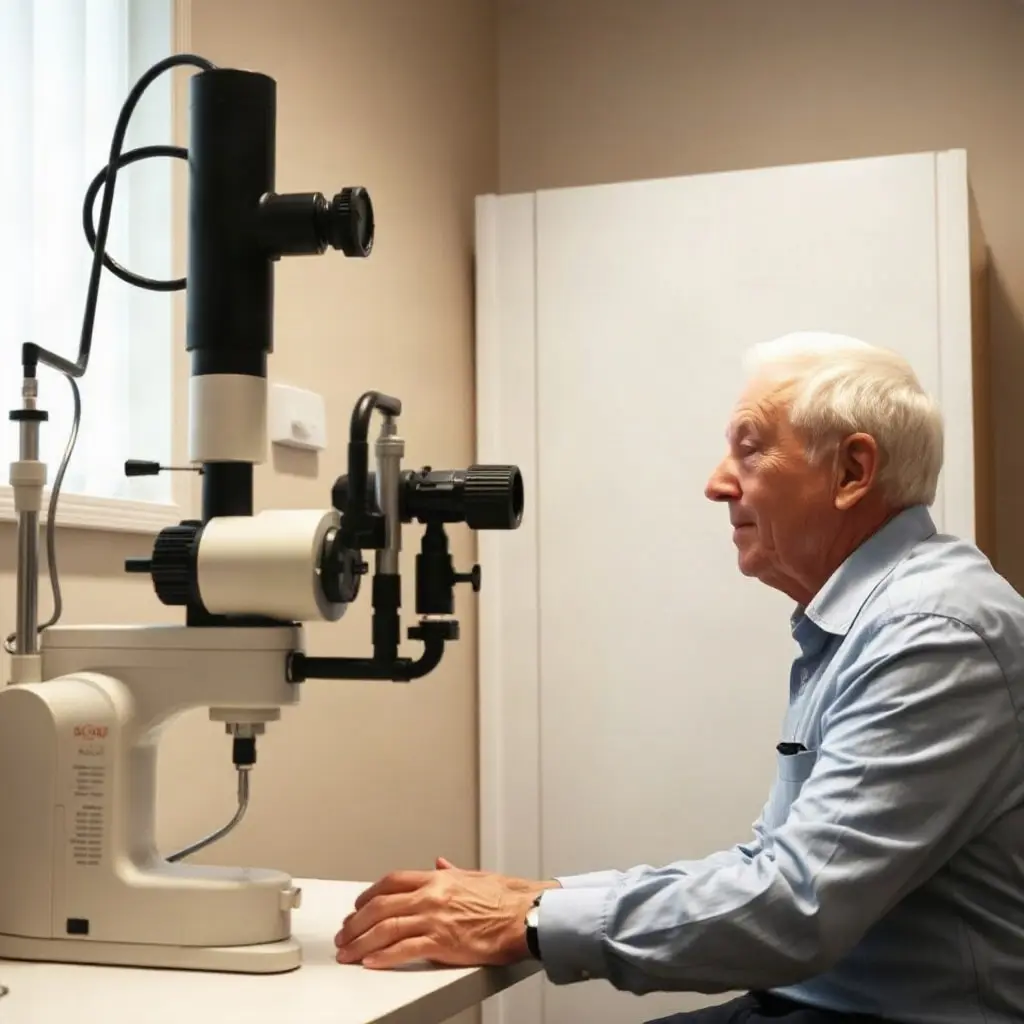
How NHS cataract surgery waiting times usually work
NHS treatment normally begins with an assessment by an optometrist or another healthcare professional, followed by a referral to an NHS hospital eye service. The hospital may then arrange a consultation, eye measurements and a discussion about whether surgery is appropriate. The waiting period can therefore include more than the time spent waiting for the operation itself.
There is no single NHS cataract waiting time across the UK. Some patients are treated within several weeks, while others wait several months, particularly where local services face high demand. People whose sight is significantly affecting daily activities, work or safety may be given greater clinical priority than those with milder symptoms. Hospital capacity, staff availability and whether one or both eyes need treatment also influence the schedule.
What can make an NHS referral take longer
Referral pathways differ between areas. An optometrist may refer directly to a hospital, or a general practitioner may be involved if there are other eye or health concerns. Before surgery, the eye service may need to investigate conditions such as glaucoma, macular disease or diabetic changes. These checks help clinicians decide whether cataract removal is likely to improve vision and whether any additional treatment is needed first.
Waiting lists can also change when hospitals reorganise services or prioritise urgent eye conditions. A patient who is initially considered suitable for routine cataract surgery may need another review if vision changes, an eye becomes painful or another problem develops. Administrative delays, transport difficulties and cancellations can add to the overall period, although the exact effect differs between hospitals.
Typical timeframes at private eye clinics
Private clinics generally arrange consultations and surgery according to their own appointment capacity rather than an NHS waiting list. In many cases, an initial consultation is available within days or a few weeks, with surgery scheduled soon afterwards if the assessment confirms that it is suitable. Some people may therefore complete the process in a few weeks, but this is not a universal timeframe.
Private treatment can still involve delays. Surgeons may have limited operating sessions, additional tests may be necessary, or a patient may need treatment for another eye condition before cataract surgery. Clinics also vary in whether the first consultation, scans, anaesthetic assessment and follow-up appointments are included in one quoted fee or charged separately. The written treatment plan usually explains which services are covered.
Comparing the NHS and private pathways
The main difference is usually how access is organised. NHS care is funded through public healthcare and is allocated according to clinical need and local resources. Private care is arranged directly with a clinic and is generally paid for by the patient or another funding arrangement. An earlier private appointment does not necessarily mean the procedure is clinically better or that the final visual result will be different.
- NHS route: referral through an NHS service, treatment prioritised by clinical need, and no direct surgical fee for eligible NHS care.
- Private route: direct contact with a clinic, a separate clinical assessment and charges that vary according to the procedure and services provided.
- Both routes: require measurements, an assessment of eye health, discussion of risks and a recovery period.
- Timing: NHS waits may extend from weeks to months, while private scheduling is often shorter but depends on the clinic and surgeon.
The choice of pathway can also depend on complexity. Routine cataracts may be treated in either setting, whereas significant corneal disease, retinal problems or other medical issues may require a hospital-based service with specialist facilities. A private clinic may refer a patient into NHS or specialist hospital care if the case falls outside its scope.
Private cataract surgery costs in the UK
Private cataract surgery in the UK commonly ranges from approximately £2,000 to £4,500 per eye, although fees can be lower or higher. The figure depends on the clinic, surgeon, location, type of intraocular lens, complexity of the operation and what is included in the package. Standard monofocal lenses are usually less costly than premium lens options designed to reduce dependence on glasses.
Additional charges may apply for the consultation, diagnostic scans, medication, follow-up appointments or treatment of complications. Some clinics quote a single package price, while others list each part separately. NHS cataract surgery does not normally involve a direct charge for eligible treatment, but eligibility and access are governed by NHS clinical policies and local services. Private medical insurance, where relevant, may have its own terms and limits, so it may not cover every part of the pathway.
Assessments, lenses and clinical suitability
Before surgery, an eye specialist measures the eye and discusses the type of replacement lens. A monofocal lens usually provides clear focus at one main distance, often distance vision, with glasses still needed for reading. Multifocal, trifocal or extended-depth lenses may offer a wider range of focus, but they can cost more and may produce glare, halos or reduced contrast for some people.
The most suitable lens is not determined by price alone. Existing eye disease, corneal health, expectations, occupation and tolerance of visual effects all matter. A private clinic may offer more lens choices, but having more options does not mean every option is medically appropriate. NHS services also use different lens policies, and the available choice can depend on clinical need and local guidance.
Recovery and follow-up after the operation
Cataract surgery is usually carried out as a day-case procedure using local anaesthetic. The operation itself often takes less than an hour, although the visit is longer because of preparation and observation afterwards. Vision may begin to improve quickly, but it can take several days or weeks to settle. Eye drops are commonly prescribed, and patients are advised to avoid rubbing the eye and to follow instructions about strenuous activity.
Follow-up arrangements differ between hospitals and clinics. NHS patients may receive a postoperative review through the hospital, community service or another local pathway. Private patients may have scheduled reviews with the operating clinic. A second eye is often considered separately, with timing based on visual needs, healing and the clinician's assessment. New pain, marked redness, worsening vision, flashes or a sudden increase in floaters require prompt medical attention.
What the waiting-time comparison does not show
A shorter appointment queue is only one part of the decision. The quality of assessment, the surgeon's experience with the relevant type of case, emergency arrangements and access to care if a complication occurs are also important. Cataract surgery is generally successful, but possible complications include infection, inflammation, raised eye pressure, retinal problems and the need for further treatment.
For this reason, NHS and private services should be compared by looking at the whole pathway rather than the operation date alone. Waiting times are affected by local circumstances and can change, while private fees vary widely. A referral clinician or ophthalmologist can explain whether cataract surgery is appropriate, how urgently it is needed and which setting is suitable for the individual's eye health.