Stairlifts for the home: prices, installation and grants available
Stairlifts for the home are designed to help people move between floors when stairs have become difficult or unsafe to use. Prices, installation methods and grants vary considerably according to the staircase, the equipment selected and local assistance rules, so understanding the main options is useful before comparing assessments or quotations.
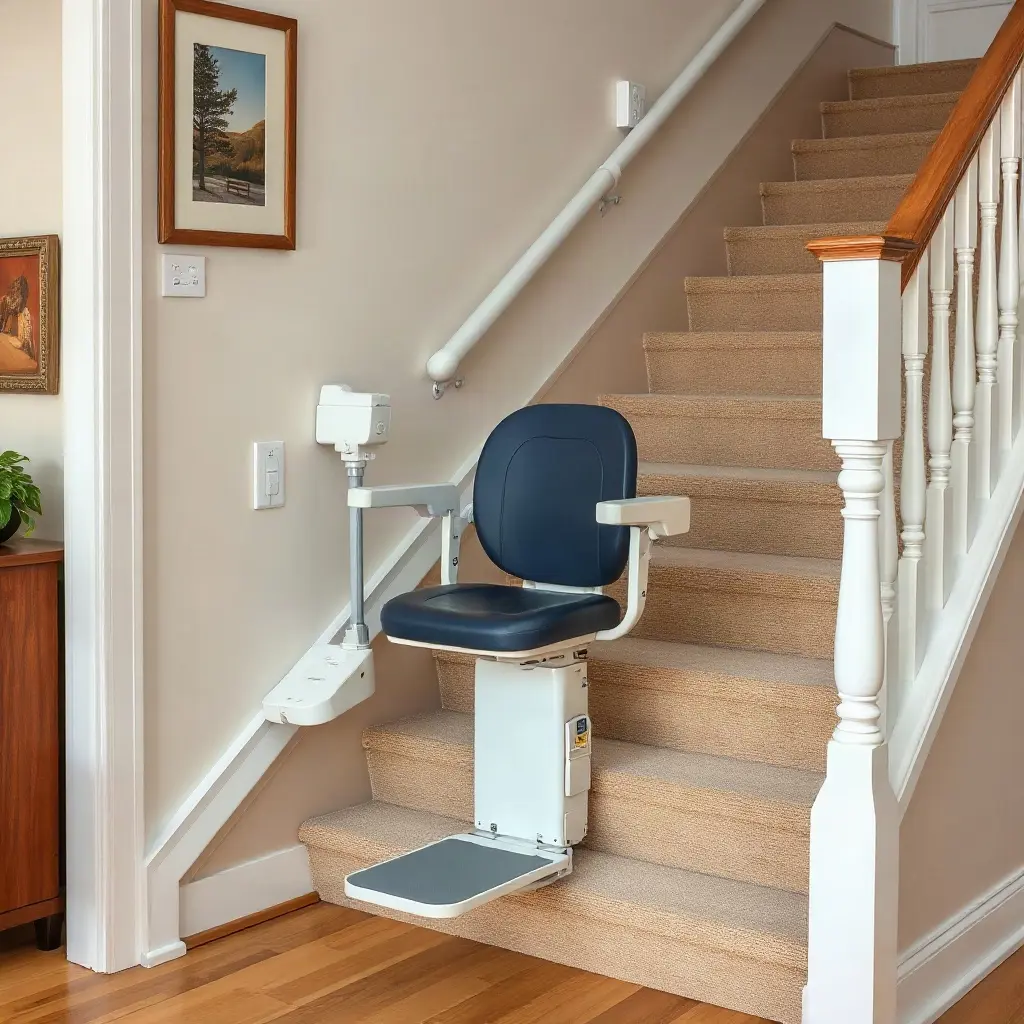
Types of stairlift used in homes
The most common type is a straight stairlift, intended for a staircase that runs in one continuous line without intermediate landings or changes of direction. It travels along a rail fixed to the stair treads rather than the wall. Straight models generally have a simpler design and shorter fitting process than other types.
Curved stairlifts are made for stairs with bends, half-landings, spiral sections or several flights. The rail is measured and manufactured to follow the individual staircase, which makes this option more complex and usually more expensive. Some homes use a pair of straight lifts on separate flights, although this arrangement can require transferring between seats at a landing.
- Indoor stairlifts are intended for the protected conditions inside a house.
- Outdoor models use weather-resistant materials for external steps and may need additional protection and maintenance.
- Standing or perch models can suit narrow stairways or people who find sitting difficult, although they are not suitable for every mobility need.
- Heavy-duty versions have higher weight limits and wider seats, affecting the rail, motor and overall price.
Typical stairlift prices and what they include
In markets where prices are commonly quoted in pounds, a new straight stairlift typically ranges from approximately £2,000 to £4,500 installed. A curved model often ranges from about £5,000 to £12,000 or more because its rail is custom-built. These figures are broad market estimates rather than fixed quotations, and equivalent equipment can be priced differently in other currencies and regions.
Used or reconditioned equipment may have a lower initial cost, particularly when a standard straight rail can be adapted to the staircase. However, a curved rail is usually made for one particular layout and may have limited reuse value. The overall price can include the seat, rail, motor, controls, delivery, removal of packaging and installation labour, but inclusions differ between providers.
Several features can move the price within the usual range. A powered swivel seat, powered footrest, folding rail or larger seat adds mechanical components. A long staircase, unusual wall clearance, difficult access to the property or electrical work can also increase the total. A written breakdown is helpful because a low headline figure may not include essential fitting work or later removal.
How installation normally works
Installation usually begins with a survey of the stairs and the surrounding landing areas. Measurements cover the length and angle of the staircase, the available width, the position of doors and the space needed for a safe transfer at the top and bottom. The survey also considers the location of a power socket and whether the stair structure can support the rail fixings.
Most stairlifts are fixed to the stair treads, allowing the wall and banister to remain largely untouched. A qualified installer assembles the rail, attaches the carriage and seat, connects the charging points and tests the controls. Straight installations may be completed in a few hours, while a curved system generally takes longer because its rail must be produced for the measured route.
During handover, the user is normally shown how to operate the controls, use the seat belt, call the lift from either end and respond to a power interruption. Batteries allow many models to operate during a short electricity outage, although the exact backup period depends on the design and battery condition. The stairway may be narrower after installation, which matters for other household members.
Running costs, servicing and everyday use
Stairlifts use relatively little electricity because the battery is charged at a docking point while the lift is parked. The larger ongoing expenses are usually routine servicing, replacement batteries and repairs outside any applicable coverage. Battery life varies with use, charging conditions and age, so replacement is an ordinary part of longer-term ownership or rental arrangements.
Keeping the rail clear of objects, avoiding spills near electrical components and following the operating instructions can reduce avoidable faults. A stairlift is not a substitute for a properly assessed mobility solution, especially where there are difficulties with balance, transferring onto a seat or using a belt. An occupational therapist or other qualified professional may help determine whether a stairlift is appropriate and what seat design is suitable.
Grants and public funding for stairlifts
Grants for stairlifts may be available through local authorities, disability support services, housing agencies, charitable foundations or other public assistance programs. The names and rules differ by country and region. Some schemes contribute toward equipment and installation, while others provide an assessment, loan equipment or assistance with wider home adaptations.
Eligibility is commonly based on functional need, household income, disability status, housing tenure and the expected length of need. An assessment may be carried out by an occupational therapist, social care professional or local adaptation service. A medical diagnosis alone does not always determine eligibility, because many programs focus on how safely a person can use the stairs and whether the adaptation supports continued access to essential parts of the home.
Funding is not automatic, and some schemes have waiting periods, application forms, financial thresholds or limits on the type of equipment covered. In some areas, public assistance is available only after an assessment and approval, so arranging private work first can affect eligibility. Grant rules may also distinguish between homeowners, tenants and landlords.
Where grant information is usually found
Relevant information is generally published by local government housing or social care departments, disability services, public health agencies and established charitable organizations. Housing associations may have separate adaptation procedures for tenants. A community advice service can sometimes explain which authority handles assessments, although the final decision normally rests with the relevant funding body.
Rental, reconditioned and new equipment
New equipment offers the widest choice of seat sizes, controls, safety features and rail configurations. It is commonly considered when the stairlift is likely to be needed for several years or when a non-standard staircase requires a bespoke rail. The higher initial price reflects manufacturing, installation and the selected features.
Rental arrangements can be available for temporary mobility needs, such as recovery after an injury, although availability, minimum terms and removal arrangements vary. Reconditioned stairlifts may suit standard staircases and can cost less than new equipment. Their age, battery condition, service history, remaining parts availability and suitability for the particular staircase are important factors.
For any second-hand or rented unit, the installation should be carried out by a competent technician and the equipment should be tested at the new property. A rail that appears similar may not fit correctly because small differences in stair width, landing shape or door position can affect safe operation.
Safety features and practical considerations
Common safety features include a seat belt, sensors that stop the lift when an object is detected, swivel or rotating seats for safer transfers, lockable controls and obstruction sensors on the footrest. Controls may be mounted on the armrest, attached to a remote handset or positioned at the landings. The best arrangement depends on dexterity, reach and whether more than one person uses the stairs.
Before installation, the household layout should be considered as well as the staircase itself. The lift needs clear space for boarding and leaving the seat, and doors or cupboards near the top or bottom may restrict movement. Pets, children and other stair users also need to be considered. A stairlift can reduce stair-related risk, but falls remain possible during transfers or when the lift is used incorrectly.
Comparing assessments and quotations
Quotations are easier to compare when they describe the same type of equipment and list every expected component. Useful details include whether the rail is straight or custom curved, the seat weight limit, electrical work, removal of an existing lift, servicing arrangements and any expected charges for alterations to the staircase.
Independent advice can help separate essential safety features from optional convenience features. It is also sensible to understand what happens if the stairlift is no longer needed, particularly for a rented or reconditioned unit. A careful assessment should leave the staircase usable for other residents and should explain the limitations of the chosen design as well as its advantages.